
Player's Handbook
A wealth of resources to help you along your polo journey, the Denver Polo Club handbook is a must-read before starting your season. Use it to uncover if you're ready to play in our polo leagues, best practices to prepare your horses, and much more.
Polo 101:
How do you get the horses in the water?
A thinking man's game, polo is a sport of speed, timing, and finesse. Polo started as a military training exercise over 2,500 years ago and they would actually use the head of the enemy as the ball. As the ages went on polo moved to India and when the Brits invaded India they took the sport back to England in 1868, added rules and gentrified it as we see it today.
Polo is played in the arena or on the grass but for the rest of the article I will be explaining outdoor polo or polo that is played on the grass. The game is a lot like hockey, chess and golf at 35MPH. Hockey, if you take the goalie and blue lines away. One point per goal and you pass back and forth to your teammates as you drive down the field. Chess, because you need to think several plays ahead of time and the variables are endless. Golf comes in to play from your swing, keep your head down and follow through. Oh, right... and you are going 35MPH leaning off the side of a 1000lbs horse. Its a sport for the thinking man who needs a little extra jolt of adrenaline. Did I mention its the second most dangerous sport to F1 Racing when its played at its fastest levels!
Ever wonder why Ralph Lauren has the #3 on most of their clothing?
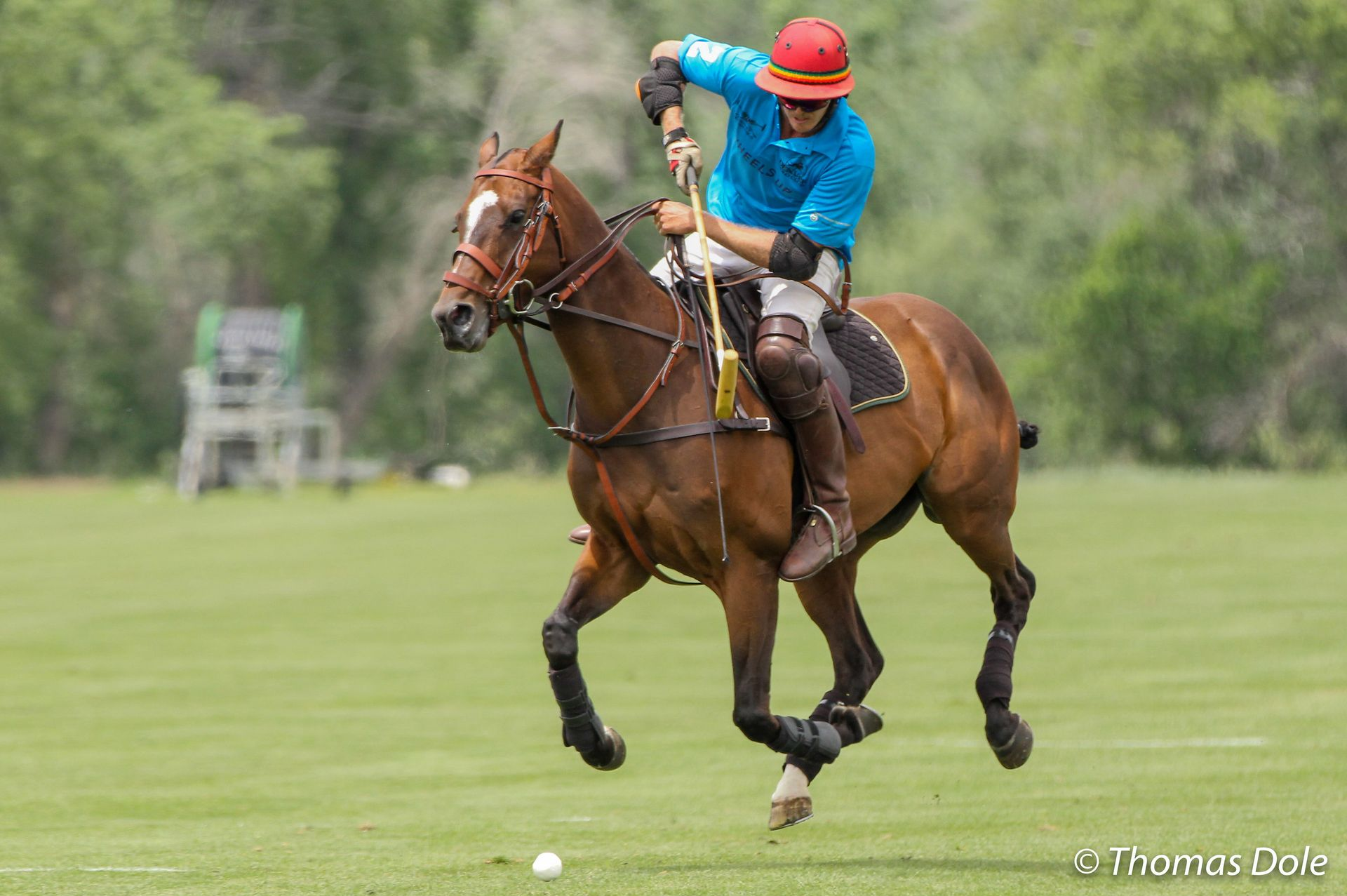
In polo you have 4 positions, cleverly named “One,” “Two,” “Three,” and “Four” (those Brits are so smart). Position #1 is your most forward player. Their job is to stay in front of the pack and score goals. The #2 is the work horse of the team.They help the #1 but are also in charge of defending the #3 who is the Quarterback. The #3 position sets up most of the plays and sees them through as the teams drives the ball down field. They are the center point for both offense and defense. The #4 is your defense man. Their job is to catch the #1 and fizzle their play and get the ball turned around so they can hit it up over the other players to their #1.
That's my line!
The basic rule of the game is the line of the ball. It is an imaginary line behind the ball when the ball is hit or has bounced off another horse or object. Think of it like driving down the highway, the dotted lines create the flow and direction and we are all supposed to stay in our lanes.
When you are merging onto a highway you need to merge with a lesser angle than if you were at a stop light. You also have 2 defensive plays called a bump and a hook. You can bump or check the other rider over the line of the ball and take the ball. You can also hit or hook the other person's mallet out of the way so they can't hit at the ball. All the rules are designed for the horses safety, so no worries if you fall, we'll just keep playing unless you are in the way. : )
No fancy show bridles here!
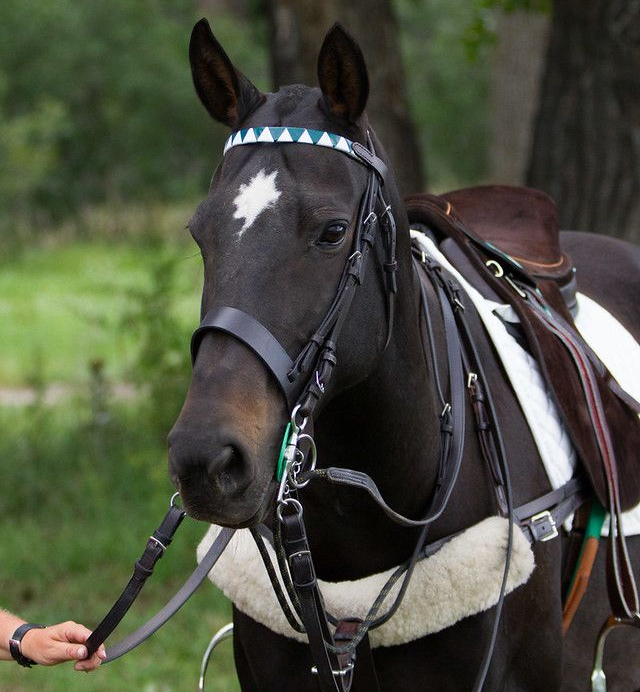
Polo tack is basically the same as hunter jumper tack but instead of being designed for “show” its designed for working. The leather is a lot thicker and designed for more tension and wear. The saddles are close contact English saddles. The bridles have the same mechanics as a normal bridle but the difference is like Toyota Camry brakes (regular horse bridles) versus NASCAR brakes (polo bridles). We also wrap the horses legs with polo wraps, hard plastic boots and bell boots. Their manes are shaved, and we also wrap up their tails so that the mallets, balls and other equipment doesn't get stuck in their hair.
The basic rule of the game is the line of the ball.
“Your handicap is your passport to the world” - Sir Winston Churchill
Just like in golf polo players have handicaps but the higher the number the better you are. Players are rated on a system of -2 to 10. When you first start playing you are a -2 which means you are a detriment to your team. But they will put up with you because they get 2 points on the board before the game starts. As you move up in the ratings it means you can accomplish certain things under pressure or at speed. There are only eight 10 goalers in the world. They are all from South America. The majority of players are -2 to 0. The highest rated women player was 5 goals for a season. The last few years they have changed the -2, -1 and 0 goal to read “C,” “B,” and “A” to sound more PC.
My gear bag is bigger than yours!
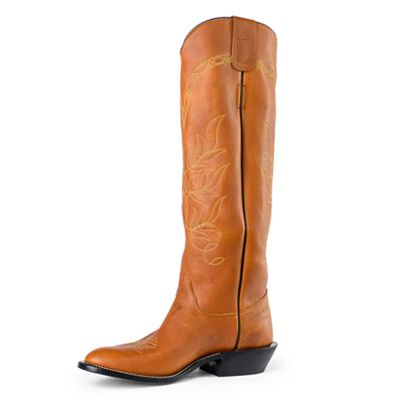
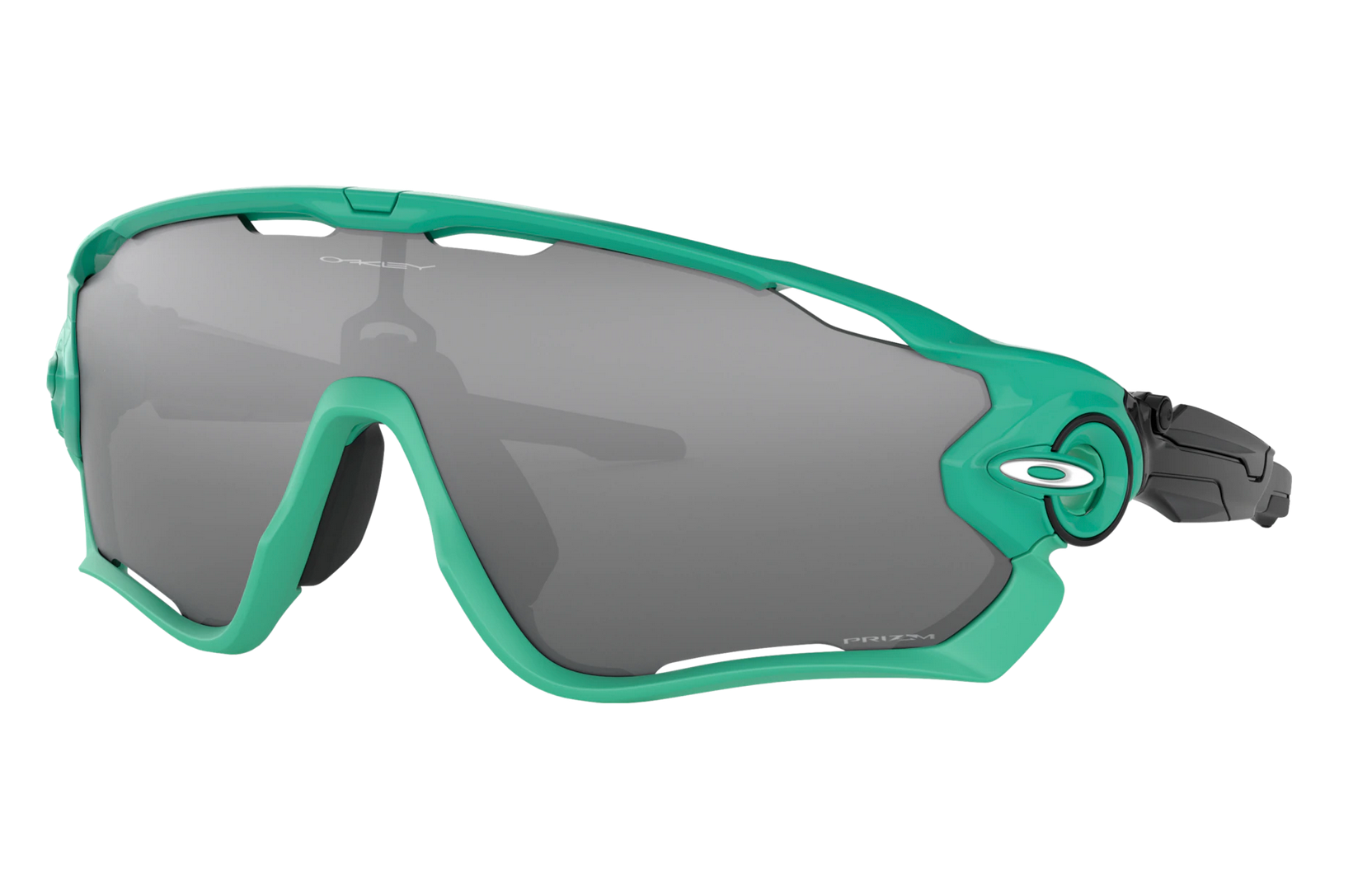
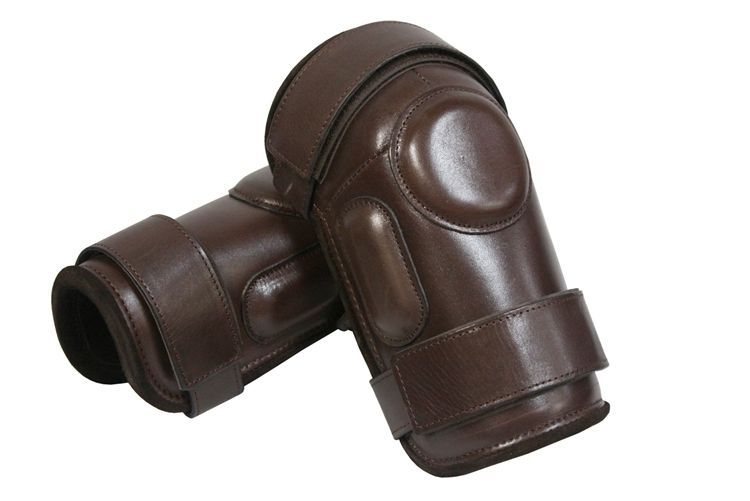
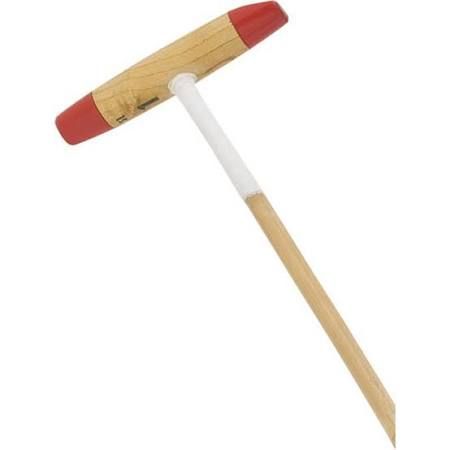
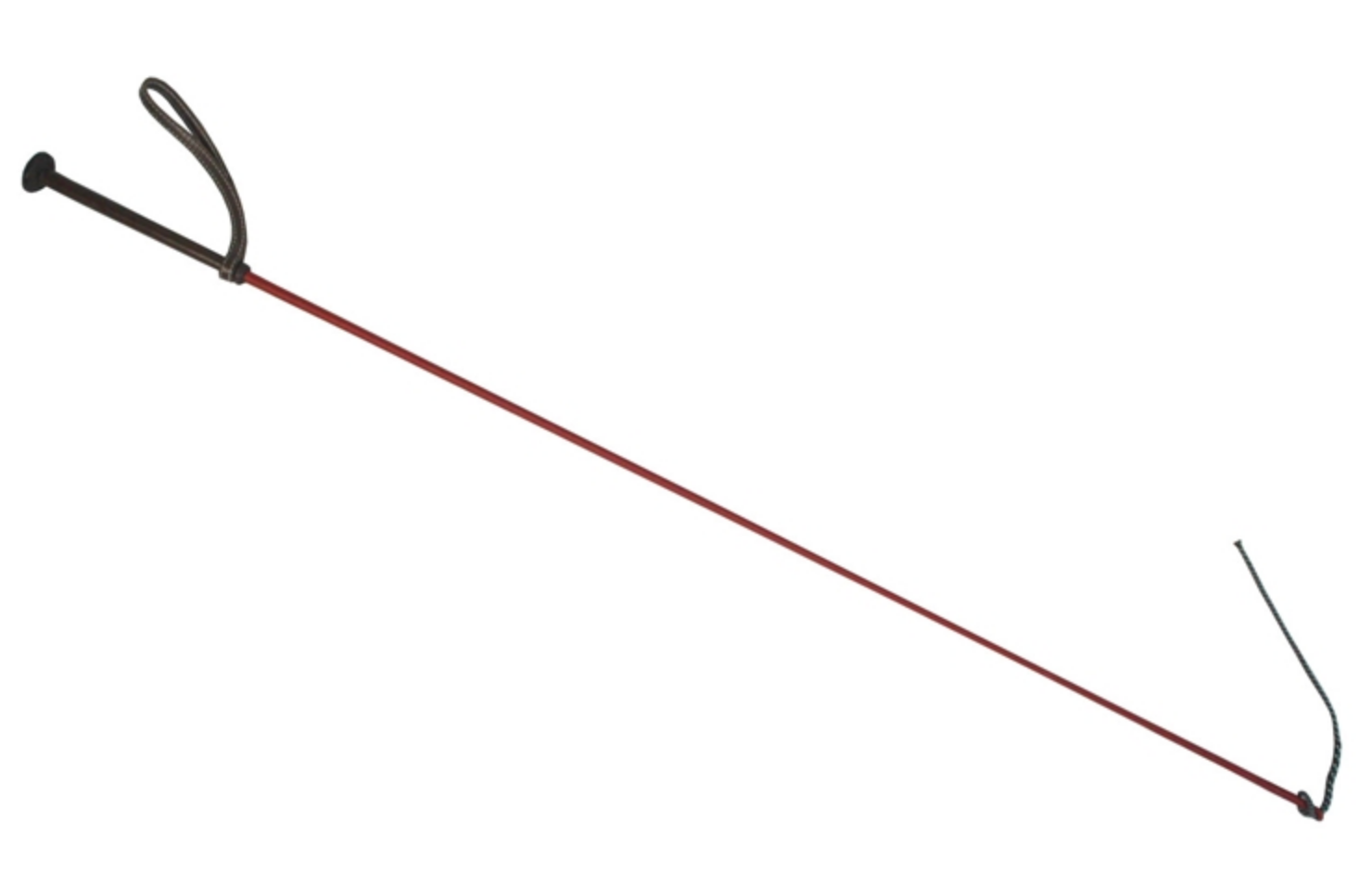
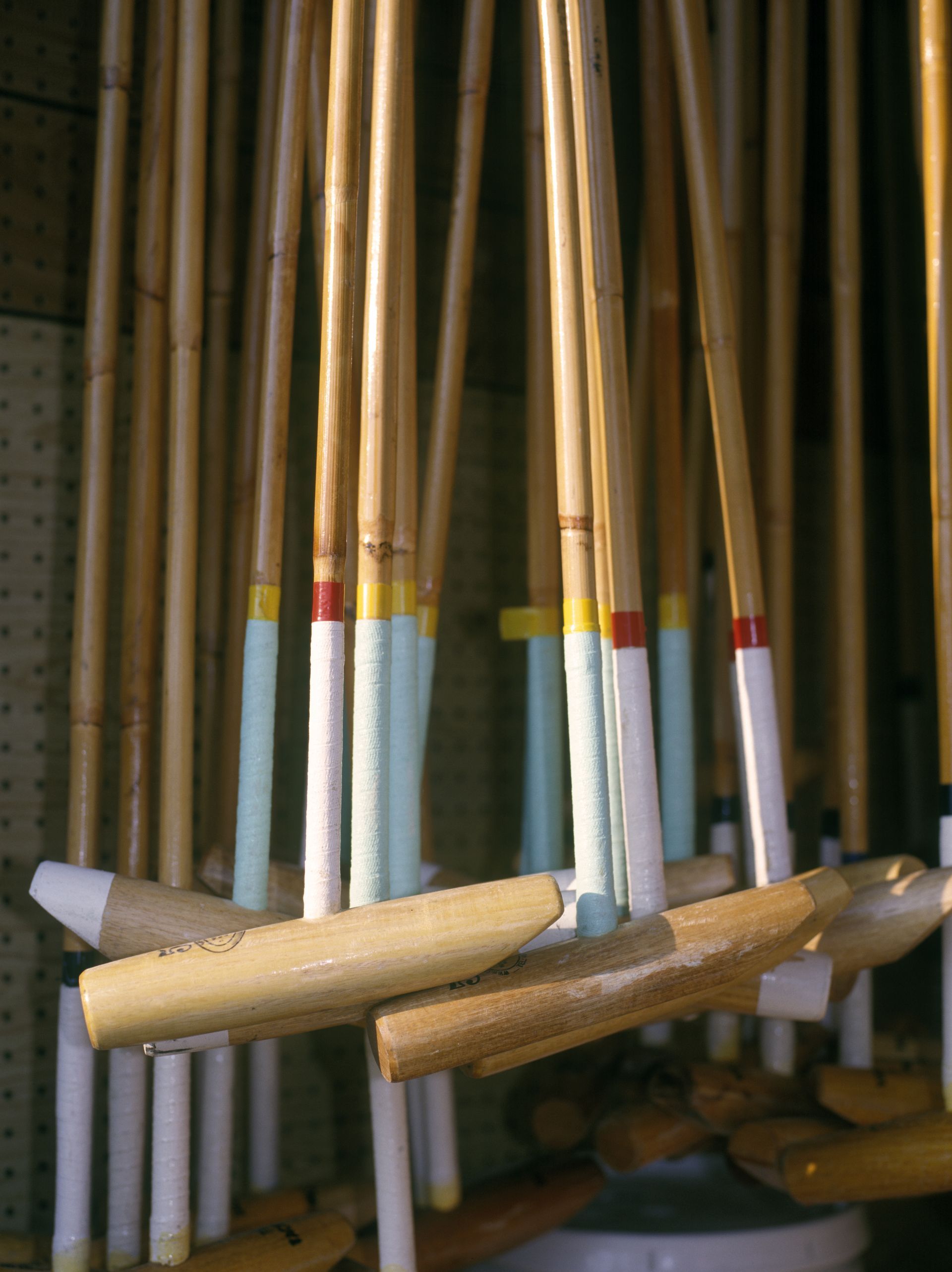
Polo has a lot of different pieces to assist the players, horses and teams. It starts from the polo mallet, shaped like a giant croquet stick the polo mallet stands at an average of 52 in high and weights approximately 180grams or 7 ounces. The mallet is made from bamboo and has a considerable amount of whip and give. The polo players also have knee pads, elbow pads, whip and spurs. The polo helmet is designed with a wider brim and some even have a face mask attached to protect your face from flying objects. If your helmet does not have a mask or metal cage then eye protection is a must. The saying goes, “you can get a new face but you can't get new eyes.” The polo boots are also a bit different in the sense that they are thicker so they player doesn't feel every bump, rub and smack as well as our legs are moving more and a finer leather would be shredded in no time.
Look at the junk in the trunk!
The polo pony is no longer a pony but rather a small horse standing 15-15.2 hands high. The most popular breed for a polo pony is a Thoroughbred or quarter horse.
A polo player wants the agility of a reiner and the speed of a race horse. Most polo ponies have a short back, long neck, medium bone structure and a big, Nicky Minaj, booty. We want them to be short, round and lean. Most players have 2-4 horses and then when you start to play faster levels the numbers jump in to the 100's. Its a rule that 1 horse can only play 2 periods so with a 4 chukker (4 period) game you need a minimum of 2 horses or you can split a man of equal or lesser value. As in any sport everyone has their specific preferences, but we try to keep the polo string or group of horses we own the same confirmation from horse to horse.
Want to Play on the Grass?
You must become a USPA member.
Your USPA handicap will be used for all Margarita and Champagne practices and tournaments, as well as arena tournaments.
Moving up through the Leagues
Polo is a dangerous sport, and the faster you play, the more dangerous it gets. To move up into each league, you need to be able to do a few things so you are safe on the field and having fun! This is also a great way to create goals for yourself. As trainers and polo professionals, we look at a variety of things when it comes to teaching, training, and playing.
The following tasks must be done with finesse and a soft touch, as any good horseman or polo player would do.
Margarita League
- Own your horse or rent a Denver Polo Club Horse
- Understand horse anatomy and how they move
- Understand basic tacking and equipment
- Walk a 20M circle
- Trot a 20M circle
- Canter a 20M circle
- Stop and turn your horse from a walk to halt
- Stop and turn your horse from a trot to halt
- Stop your horse from a canter
- Gallop down the field, stop, turn, and return
- Walk and trot without stirrups
- Posting canter
- Hit all four basic shots at a walk, trot, canter
- Know and mildly execute all four player positions
Champagne League
- Gallop through an obstacle course that will include roll backs, bumps, and change of speed
- Canter a 20M circle while controlling the ball
- Hit the ball with direction through a course
- Hit all four basic shots under pressure at a canter
- Canter without stirrups
- Know and execute all four player positions
- Proficient in both near side and offside
- Professional coaching at least once a week
- Be able to play at least four chukkers
- Have a groom
Remember:
If your horse cannot perform some of the tasks, then it is not fair to ask him/her to play at that level. Lessons are available to help you and your horse master these skills.
Polo Gear for Horses and Humans
A short list, in order of importance, of what you will need to keep you and your pony comfortable on and off the field.
Gear for People
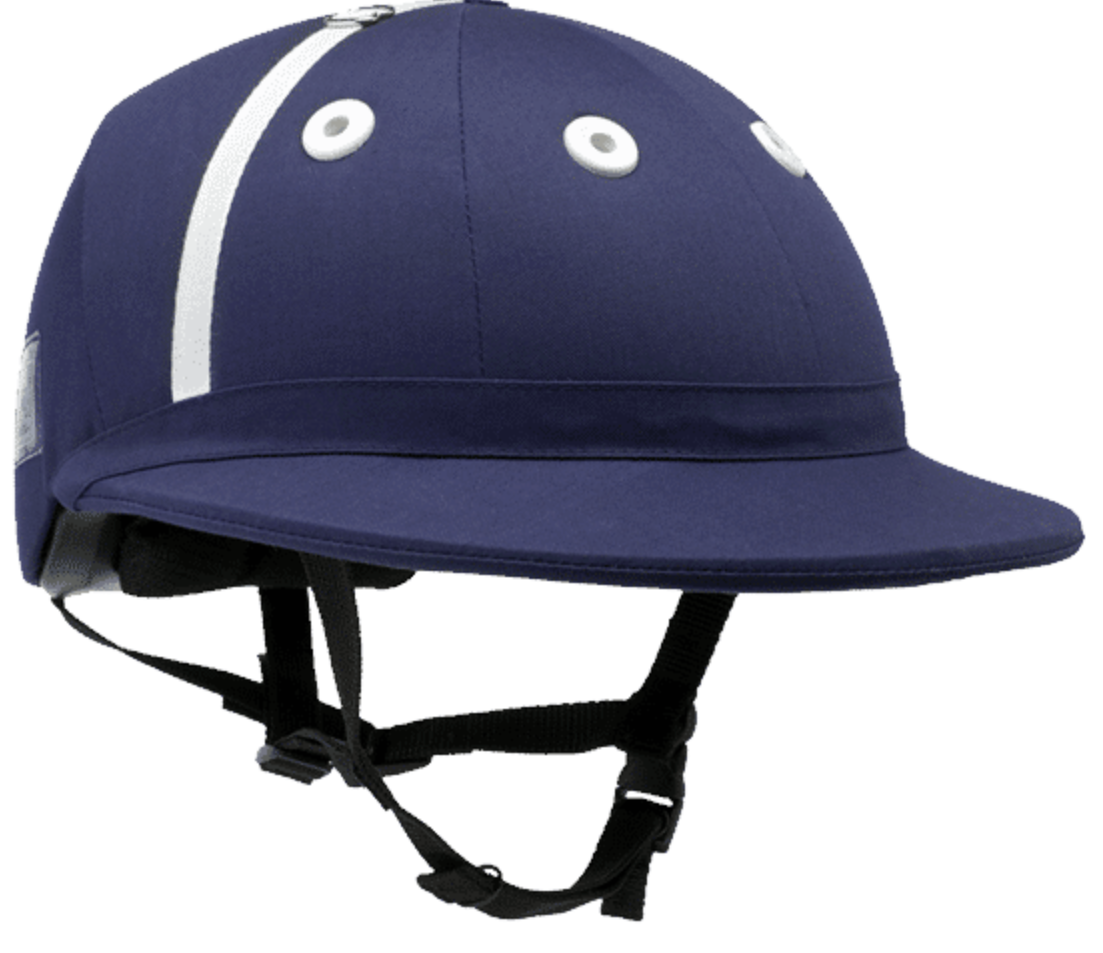
Polo Helmet
$600 TO $1000
The USPA has mandated two NOCSE approved polo helmets. There are three primary manufactures that comply with this standard—Casablanca NEU, Instinct Askari, and Charles Owens Sovereign. You can purchase them online through their websites. The USPA will requires all players to have an approved helmet.
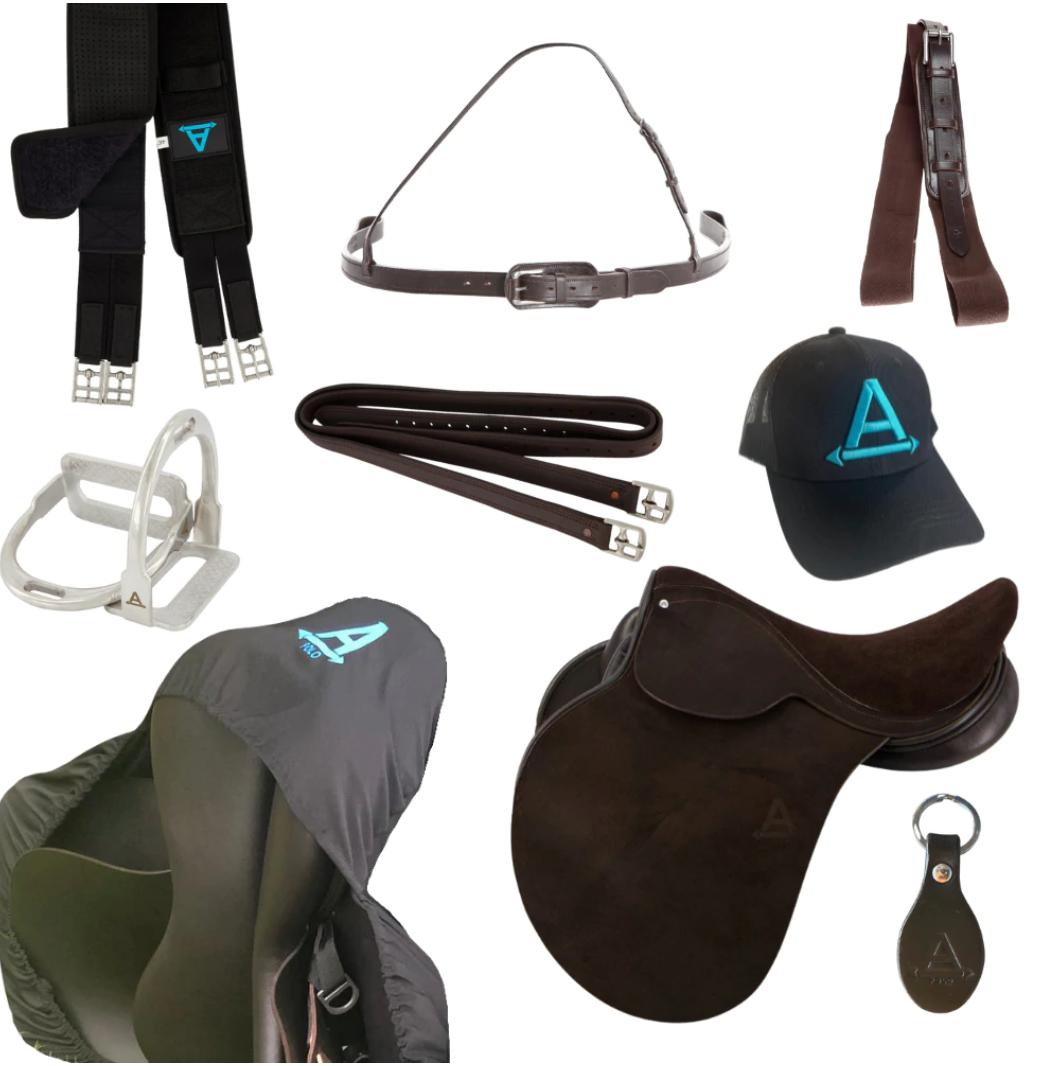
Gear for Horses
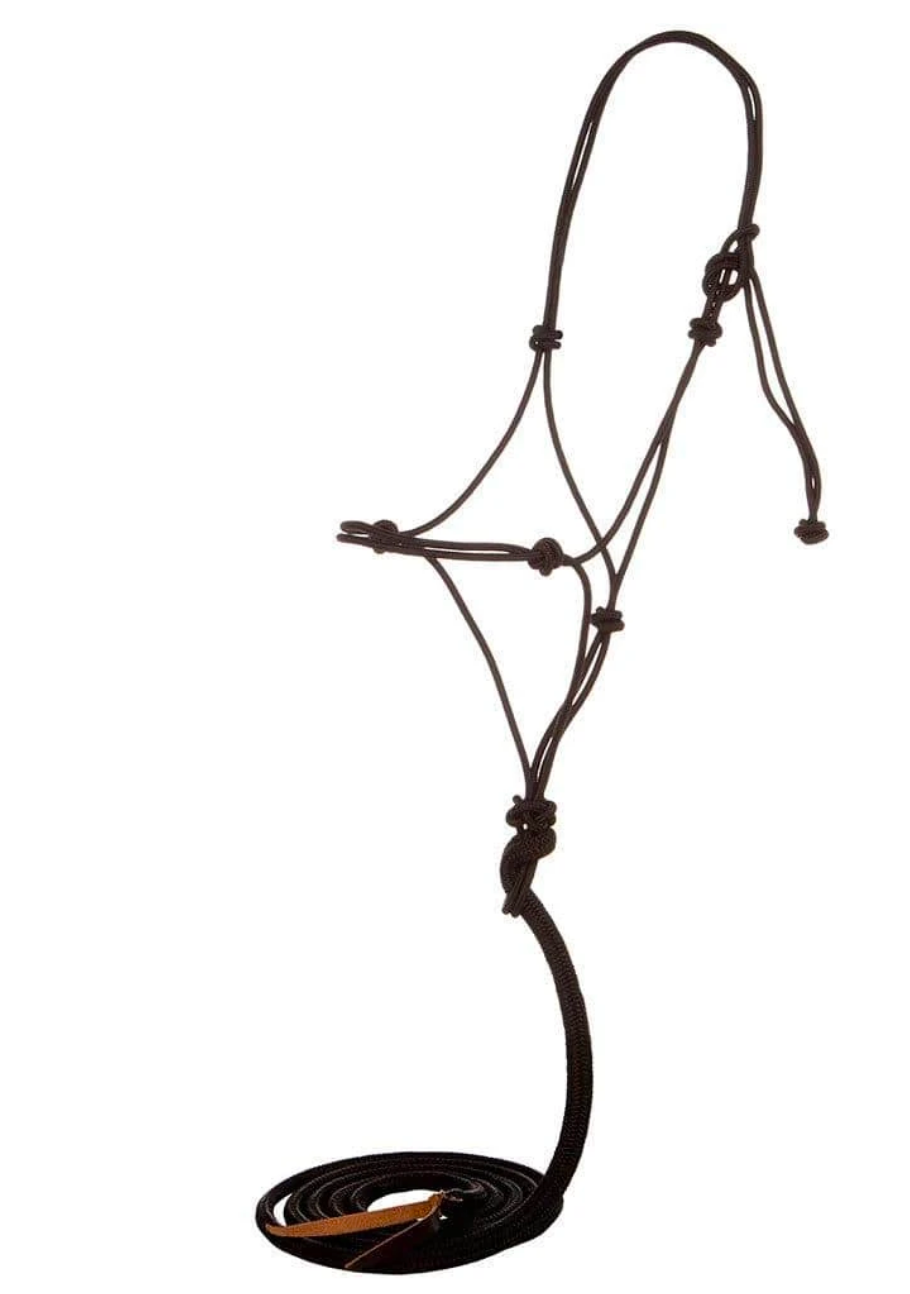
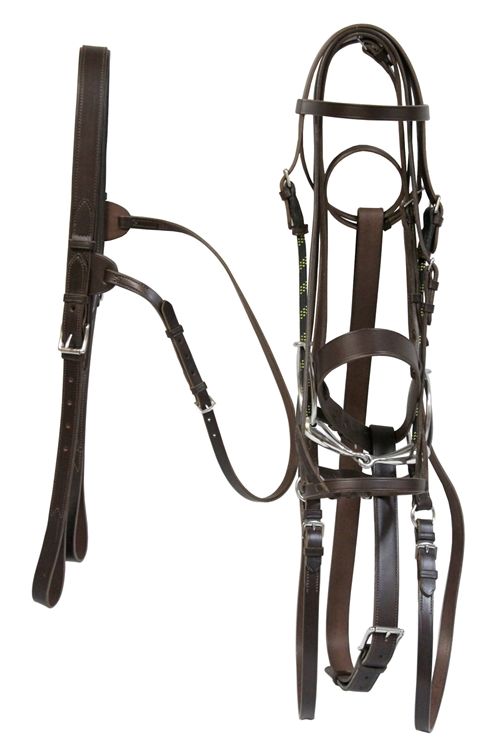
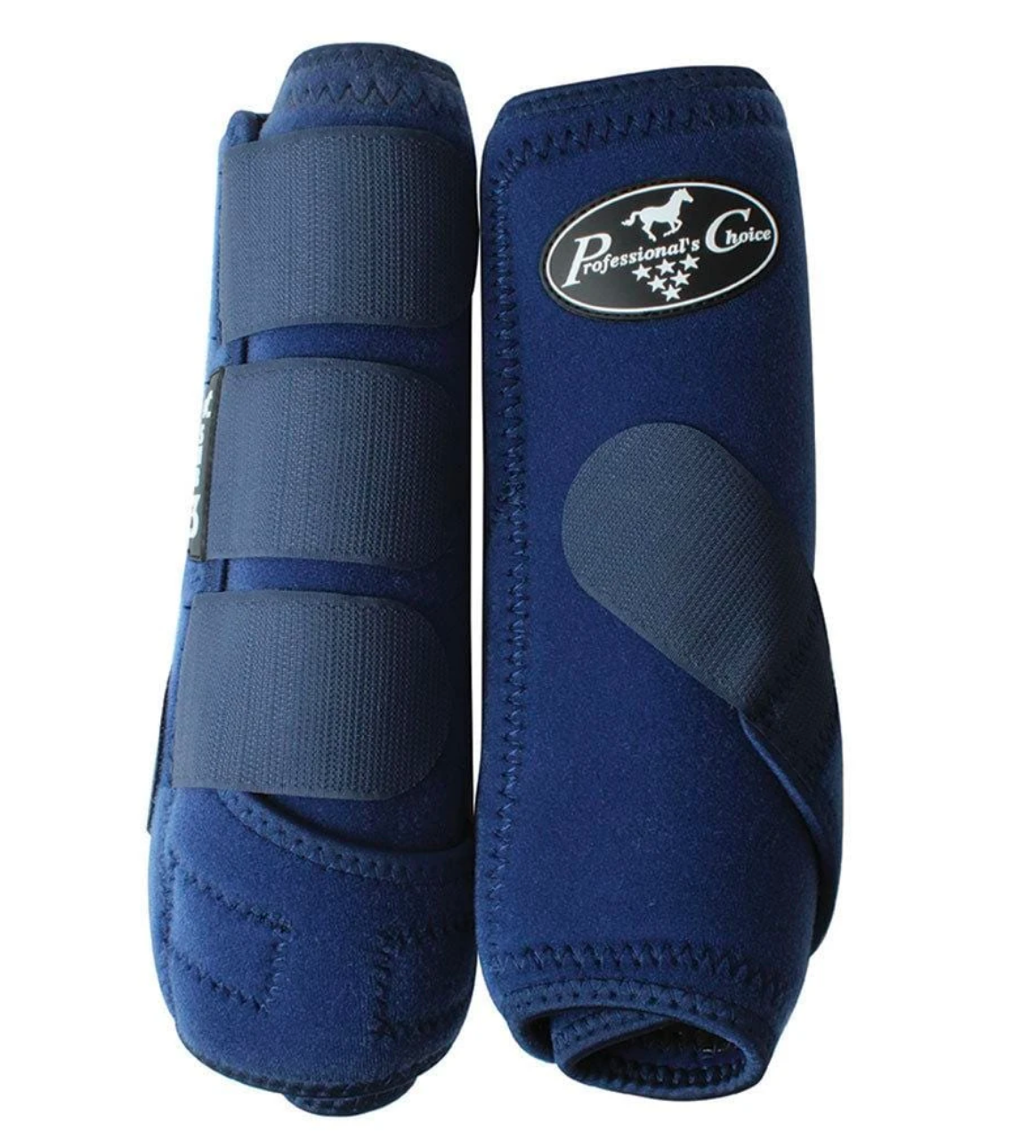
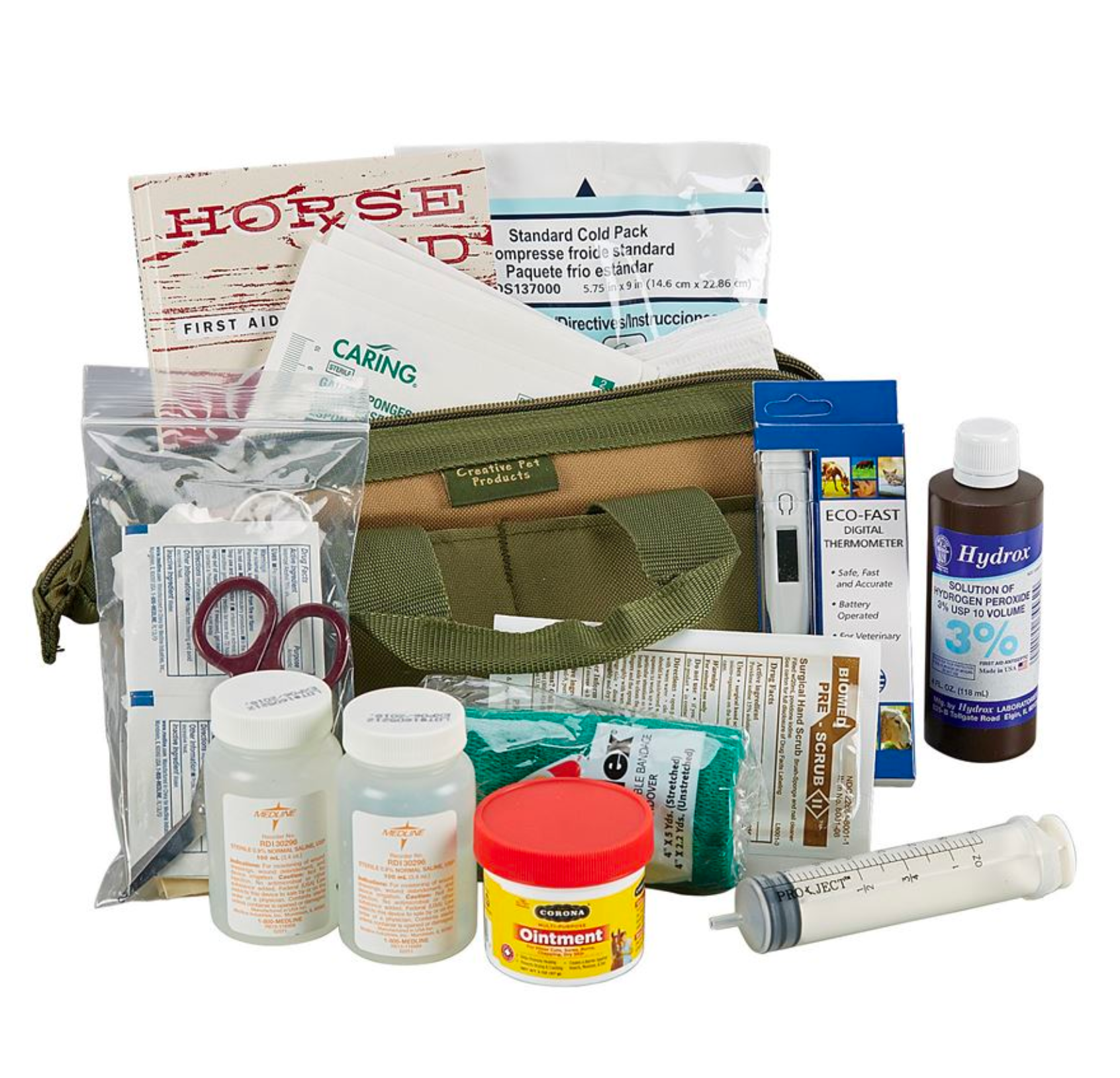
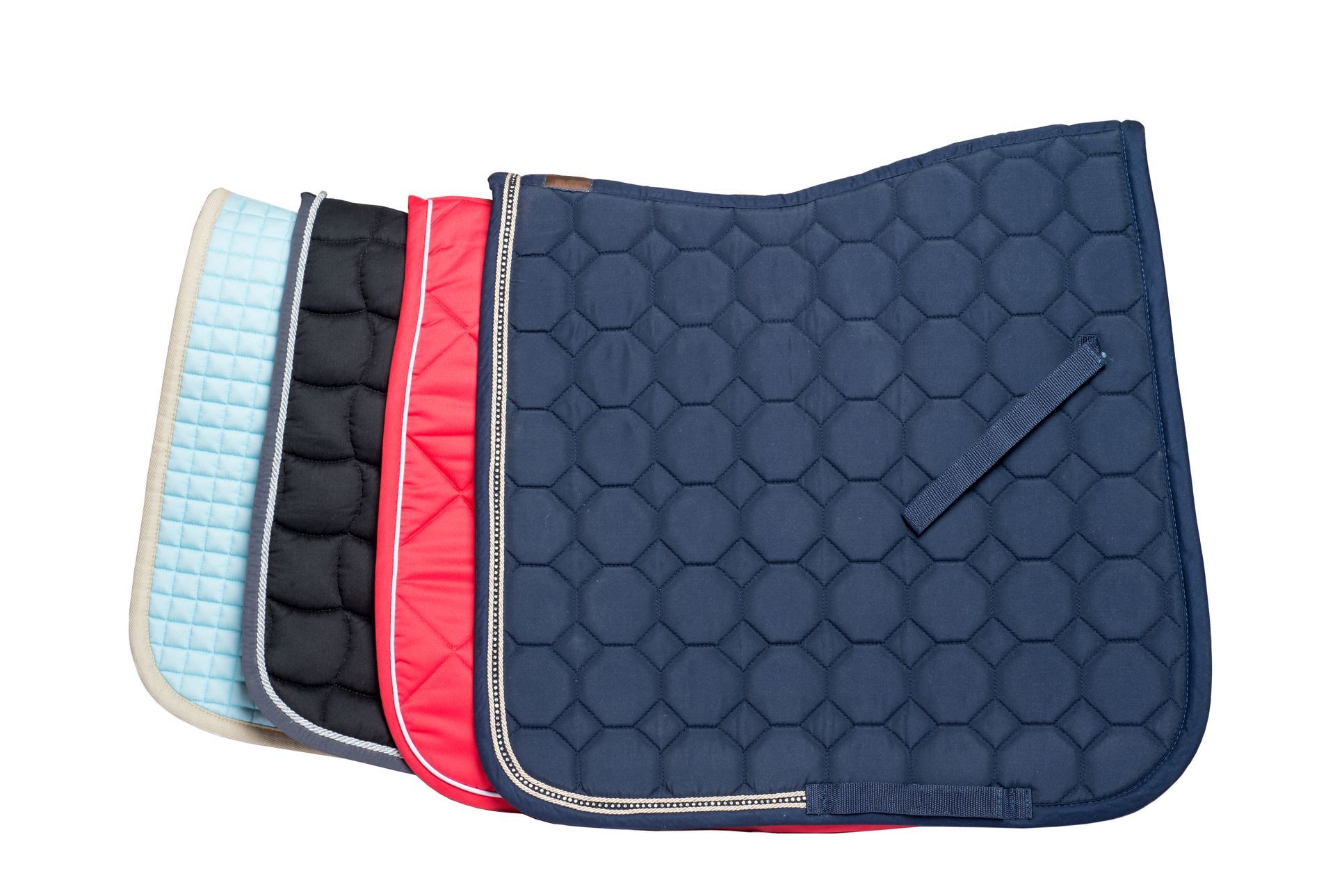
Recommended Vendors
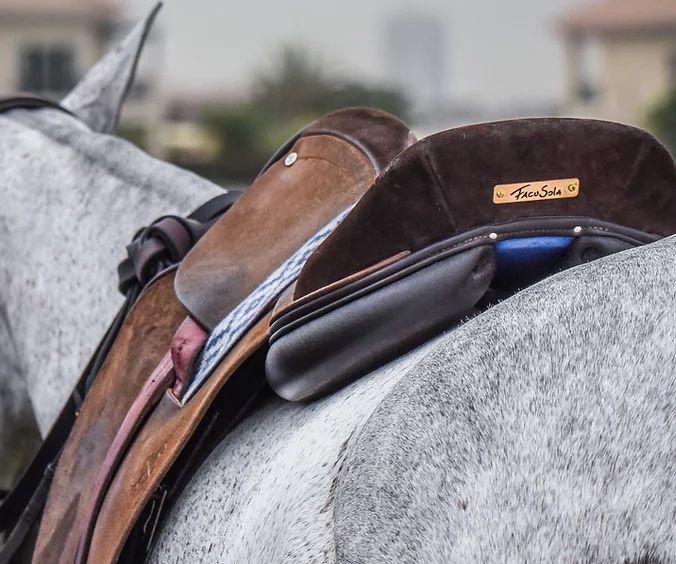
Getting Your Horse into Polo Shape
Getting horses fit is an art , and there are some common practices that most people agree upon. Getting professional help is highly recommended, as it takes a team to make your horse thrive, including you, your vet, the farrier, the barn manager, and your trainer.
Walking
Stretches and warms muscle
Trotting
Builds muscle
Canter
Builds lungs
As the season approaches, get your horses into a fitness routine so they will be ready when the season starts. If you don’t give your horses enough time to prepare, they likely won’t last the season. Keep in mind most polo players play several horses in a game. The faster you play the more horses you will need.
Injuries are also much more likely to occur when horses are not fit enough. Imagine not exercising for months then deciding to jog for 10 days before running a marathon. It is equally ridiculous to play a horse that has only had a week or two of exercise. Why risk injury to begin your season?
Metal fitness is also something to consider. Everything your horse does is trained, either by you or a trainer. Polo ponies need mental training as well. You cannot just race them up and down and then expect them to be calm and quiet when you play. It is important to have consistency in your program, your habits and your seat. As you head into the season, most horses will have been turned out for six to seven months, which means you will need at least three months to get them into proper shape. The following exercise program is a great example of how to get your ponies in playing condition and keep them fit throughout the year.
Here are a few tips and suggestions to help keep you and your horses healthy for the entire season.
Don’t wait until it is too late!
Pre-season Fitness Schedule
MARCH
7 to 10 sessions per week
Week 1: Walk 20 minutes
Week 2: Walk 15 minutes, trot 5 to 7 minutes, walk 10 minutes
Week 3: Walk 15 minutes, trot 10 to 12 minutes, walk 10 minutes
Week 4: Walk 10 minutes, trot 10 minutes, walk 10 minutes, trot 5 minutes, walk 5 minutes
APRIL
7 to 10 sessions per week
Week 1: Walk 10 minutes, trot 20 minutes, walk 10 minutes
Week 2: Walk 10 minutes in circles, spiral in/spiral out, 5 minutes each direction, trot 30 minutes in circles for 15 minutes each direction, walk 10 minutes, trot 10 minutes, walk 5 minutes
Week 3: Walk 15 minutes, trot 10 to 12 minutes, walk 10 minutes
Week 4:Walk 10 minutes, trot 10 minutes, walk 10 minutes, trot 5 minutes, walk 5 minutes
During the Season
By mid-May, your horses should be legged up and ready for the outdoor season. Many injuries happen because your horse is not properly legged up. You are asking for trouble if you do fitness work like short work and sprints before your horse has proper fitness.
Dedicate thought and time to get and maintain your horse's fitness, and your investment will give you many years of happy return. Likewise, no two horses are the same. Some horses take more precise exercise and preparation to consistently play well. Get to know your string, regardless of how big or small it may be. Be sure to talk to your vet or your polo professional about their after-polo horse routine.
Here's an example weekly schedule for your horses during the week.
Monday
Day off
Tuesday
Walk 10 minutes
Trot 10 minutes
Canter 15 minutes
Walk 10 minutes
Wednesday
Practice
Thursday
Short work 20 minutes, including transitions, rollbacks, sprints
Make sure to cool down with an easy walk to calm their mind back down. It is equally as important to calm the mind in addition to the heart and lungs.
Friday
Practice
Saturday
Long walk and a little trot
Sunday
Practice
When to Wrap Your Horse's Legs
If your horse is coming back from a prior injury it is a good idea to wrap their legs with polo wraps or boots to give them extra support. That being said:
- When you start your horses do not wrap their legs. This is why we start so slow. Adding the polo wraps will not allow their tendons to strengthen while you are legging them up.
- Add them when you star to canter, do circles or short work.
Post-Season Rest
After several months of hard work your horses need a mental break. It is still a good idea to ride them, but make it fun. Go down the trail or try something new. Not only is it good for your horse’s mind but it will help them enjoy being ridden and strengthen the bond between you and your four-legged teammates! We will play until the end of October, so this gives your horse a long time after the season to mentally calm down from its rigorous training. We have several different winter options at Cottonwood Riding Club, so be sure to touch base with Erica or one of the trainers to get into a winter program.
Remember: Make your time together fun, otherwise it becomes stressful for you and your horse,. Your horses are also fine to take the winter off and enjoy turnout with their buddies.
Highline Canal
Cottonwood
When you cross the bridge head right, then stay on the canal until you hit the paved road. The ground is firmer to help strengthen tendons.
REMEMBER: No fast galloping on the canal…it’s too hard and there are rocks.
Cross-Country Course
Cottonwood
Behind the houses is a great field for riding sets. You can make your own path around the tress or in a circle in the field.
The Hills
Cottonwood
Head right, down the canal. When you pass the round house, go down the hill to the left. Cross the street and continue through the field. When the path has a left turn, take it. You will be riding parallel to the mountains.
Then when the trail heads left again, turn left. You will see a series of hills. Walk or trot up and down the hills. DO NOT gallop.
Then cross the road and continue east on the canal. We call this the “Short Circle.” Really any hill will do. Just make sure the footing is good...no holes, deep sand, or cactus.
Polo Arena
Denver Polo Club
In the winter this has the best footing and drainage. It’s a great way to get a short workout with your pony.
Exercise Track at the Fields
Denver Polo Club
Located at the south end of the fields, this is a great workout, warm up or cool down.
Polo Arena at the Fields
Denver Polo Club
A great place to ride if you need the extra security of walls. The footing is sandy, and it is a safe place for you and your horse to do short work along the walls.
Nutrition for Horses
Help your horse thrive year round! While every horse is different, often the best thing is to keep it simple. It takes a team to help your horse achieve its fullest potential, including your vet, farrier, trainer or pro, and barn manager. Communicate well with your team, and you and your string will be unstoppable!
Pre-season (March-April)
As the season starts to ramp up, increase your horse's calorie intake just enough to replace what they are burning. The amount of work will determine your quantity. Below is a list of what we feed pre-season for lunch (when they go back to work):
1 scoop of Purina Strategy
1 cup vegetable oil
1/4 cup diatomaceous earth
A handful of salt
Mid-season (May-October)
This is the period when your horses will be using more energy. At the beginning of June, depending on the season and how they all came out of winter, we may also add rolled oats to their mix. These are slow burning fuel that won’t make them hot but will give them the added boost of energy they need.
In July we also transition the horses to alfalfa. This increase adds more protein to their diet and helps keep the muscle. You may find that, if you take a break, your horse may have a few more wiggles and giggles. This is because of the added sugars in the alfalfa.Below is a list of what we feed mid-season for lunch, keeping
in mind each season is a little different.
1 scoop Purina Strategy
1 scoop rolled oats
1 cup vegetable oil
1/4 cup diatomaceous earth
A handful of salt
Off-season (November-March)
In the off-season it’s important to let your horse rest and come off of their high-octane fuel slowly. In October, we transition back to the alfalfa and grass mix. You can also start cutting back on their oats in October but continue the rest.
We still play quite often, and you want your horse to be fit and round coming into winter. Below is a list of what we feed for lunch at the end of the season.
1 scoop Purina Strategy
1 cup vegetable oil
1/4 diatomaceous earth
A handful of salt
A Note on Supplements
Supplements are a $96,000,000-a-year industry. If you and your team work together, and you have a healthy horse, you will not need to supplement them. I’m not saying that they are bad, but we tend to over supplement because it makes humans feel better. That is why it is very important to consult with your team about your horse. If you feel that they need something, ask your vet. Make sure it’s someone you trust, and they are not getting a percentage of the pie. At the end of the day good quality food will give you good quality results.
And a Few Best Practices....
Never feed before you play. Your horse is not like a car that you need to fill up before the race. When the weather changes drastically be sure to give them some type of electrolyte. We also recommend a wet, soupy, bran mash to keep the pipes flowing.
Stretching for Horses
Throughout the season, one of the most important things we can do for our equine athletes is to remember they are athletes.
Maintenance, balanced riding, warm-up and stretches for them is essential.
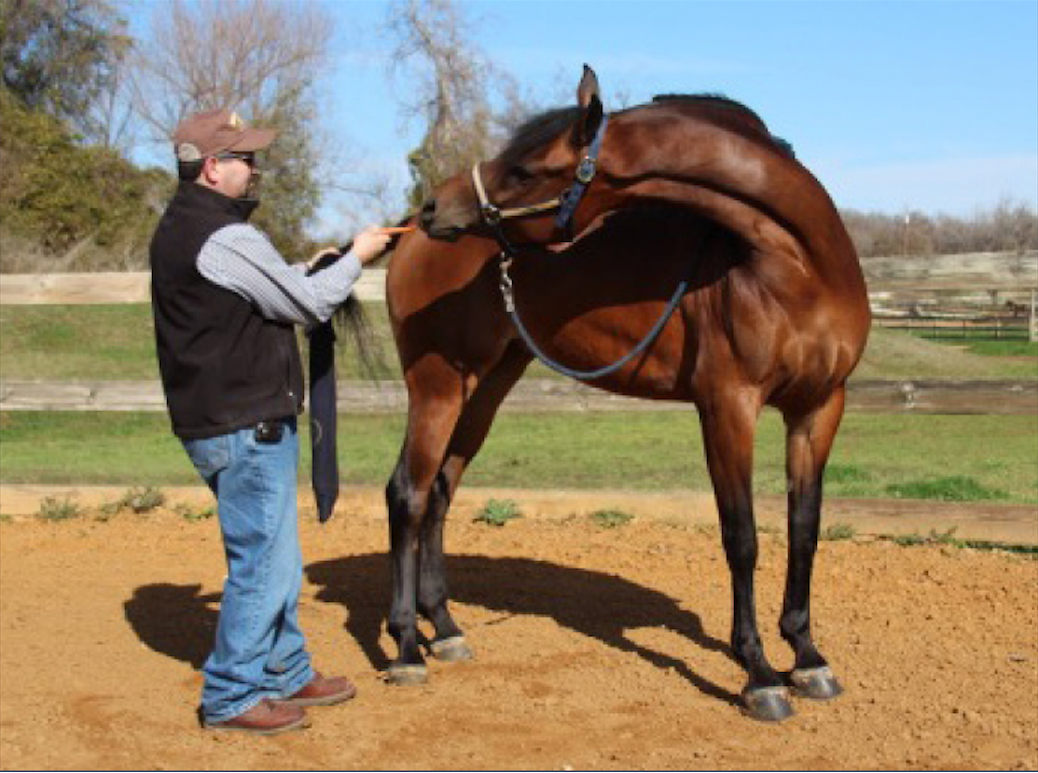
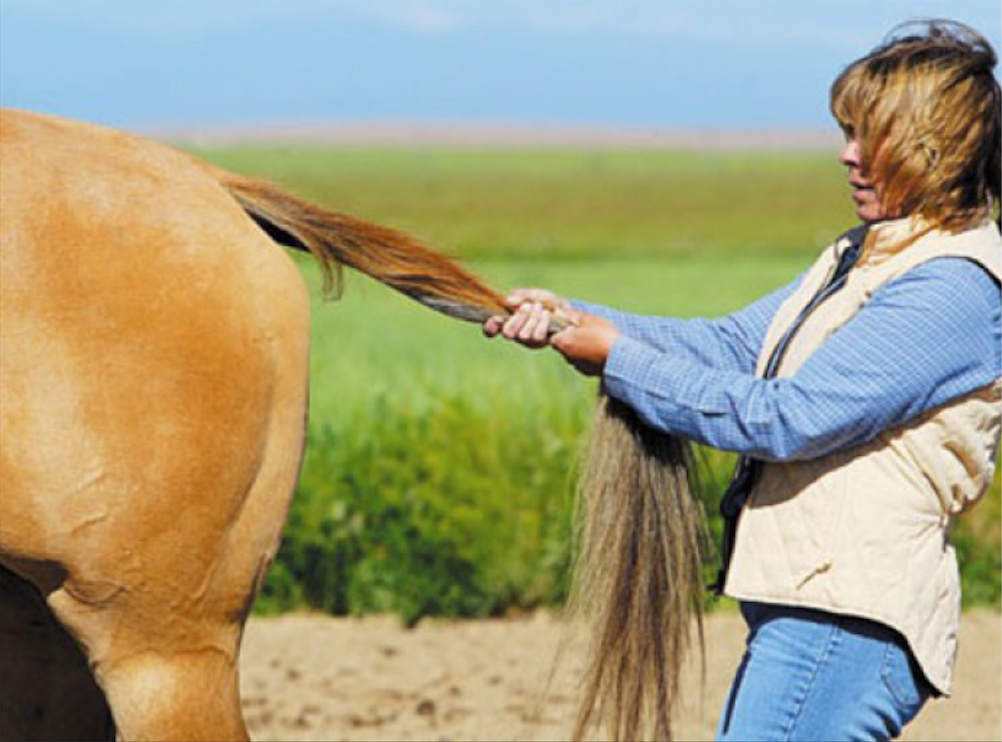
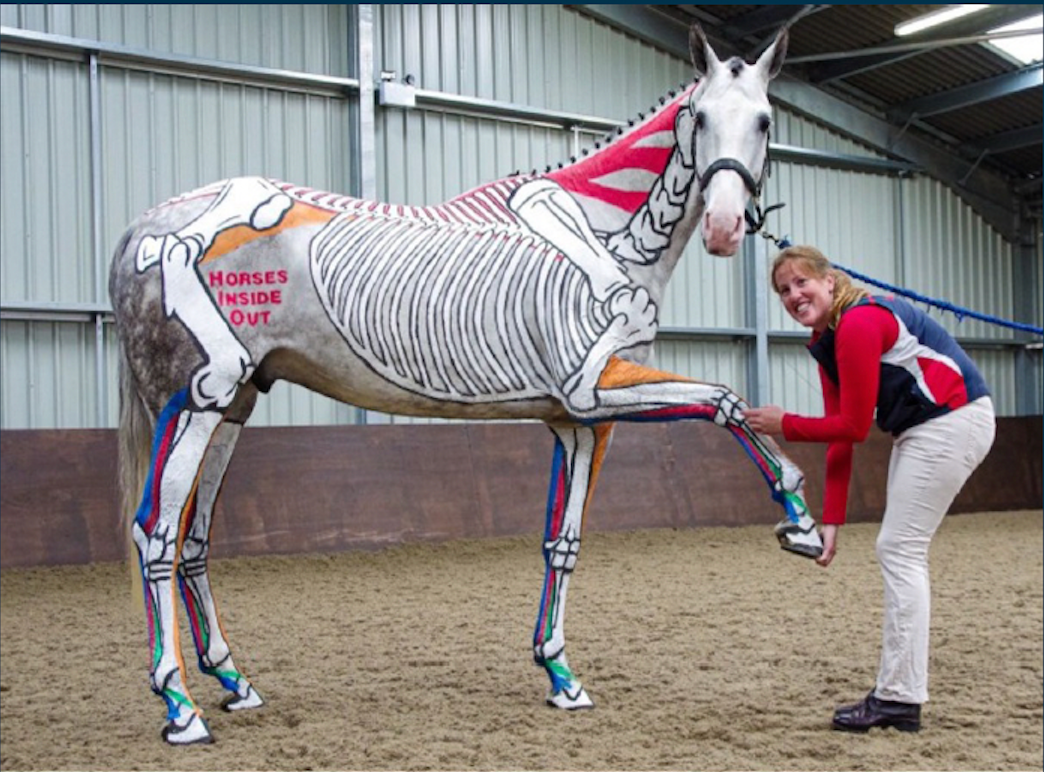
Stretching, warm up and cool down are important routines to the longevity of your horse. First you must unertstand the anatomy of the horse. Look at the pictures to the left to help you understand what is going on under your saddle and to see a few simple stretches you can do for your horse before and after each work out. Throughout the year it is also a good idea to get your horse into a maintence routeen with a good chiropractor and massage therapist.
Here are a some of my favorite practitioners:
Chiropractic for Horses & Humans
Dr. Deb O’Reilly
Vibrant Energy Healing Center