
Horse Riding Lessons for Beginners: What to Know
Horse riding carries a quiet kind of excitement. The moment someone settles into the saddle, the world slows to the rhythm of hoofbeats. Many newcomers arrive at a riding school with curiosity rather than experience. A first lesson often feels like stepping into a tradition that stretches back centuries, yet the atmosphere remains welcoming and relaxed.
Horse Riding Lessons for Beginners introduce riders to far more than sitting on a horse. Whether you are exploring Horse Riding Lessons Denver or starting anywhere else, they offer a first look at communication between horse and rider, along with the steady confidence that develops through practice.
Why Horse Riding Appeals to New Riders
The attraction of riding rarely begins with competition or performance. Most beginners feel drawn to the unique relationship between rider and horse. Unlike many sports, success depends on cooperation with a living partner. Every movement asks for patience, awareness, and trust.
Riding also brings together several skills at once. Balance, coordination, focus, and calm decision-making all play a role. Beginners often notice this quickly during the first few minutes in the saddle. The horse moves with strength and rhythm, while the rider learns to match that motion rather than resist it.
Another reason the sport attracts new participants lies in its welcoming culture. Many riding communities encourage newcomers regardless of age or background. Riders often start in childhood, yet many begin much later.
Why Beginners Often Start Later in Life
Interest in Horse Riding Lessons for Beginner Adults has grown steadily. Adults often discover riding after spending years around horses through friends, family, or local events. Some simply decide to try something completely different.
Beginning later in life offers advantages. Adults usually approach lessons with patience, curiosity, and clear goals. Instead of rushing toward advanced riding, many enjoy learning each stage carefully.
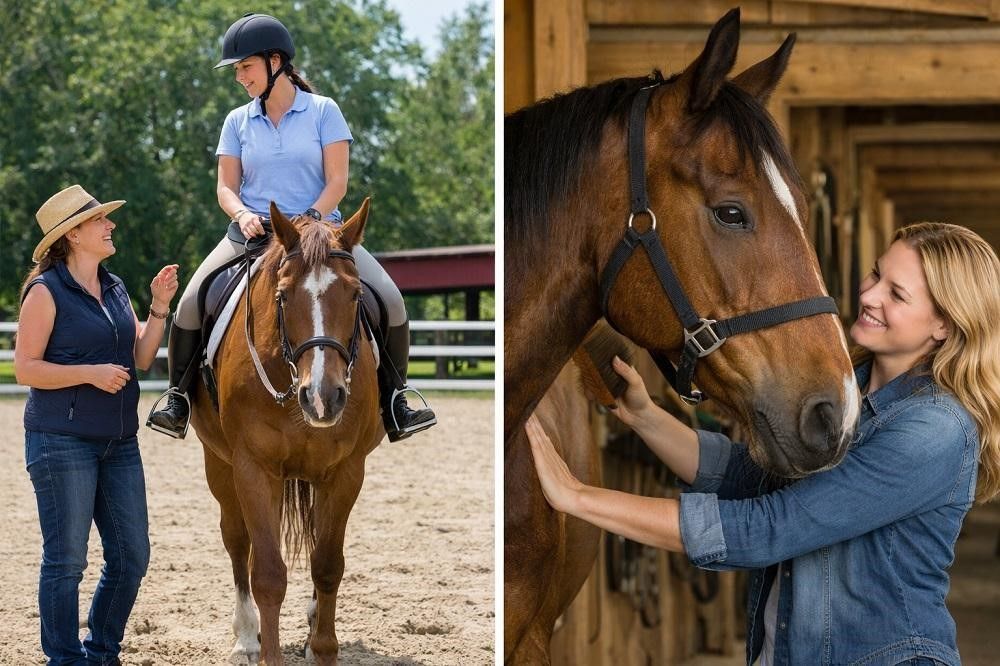
Instructors often focus on building confidence early. Riders learn to read a horse’s body language, adjust posture, and remain relaxed in the saddle. These small details help riders develop trust with the horse.
A rider who feels calm allows the horse to relax as well. This shared confidence shapes the entire experience.
The Welcoming Culture Around Equestrian Sports
Equestrian environments tend to revolve around community. Riders gather around arenas, grooming areas, or viewing rails, exchanging stories and encouragement between lessons.
At facilities like Denver Polo Club, newcomers often discover that the sport feels far less intimidating than expected. The club’s approach centres on accessibility, tradition, and community, inviting riders from all backgrounds to experience the excitement of horses and polo.
Beginners often observe experienced riders preparing horses, adjusting tack, or cooling down after a session. Watching these routines offers valuable learning before stepping into the saddle.
The rhythm of the stables becomes familiar quickly. Horses move calmly through grooming areas, instructors offer guidance around the arena, and riders celebrate small milestones together.
Those early lessons rarely focus on speed or complex riding. The emphasis stays on comfort, safety, and confidence. Even a slow walk around the arena feels like progress.
What Happens During a First Riding Lesson
A beginner lesson usually begins well before mounting the horse. Riders often start by meeting their horse and learning basic safety habits around the stable.
Horses communicate clearly through posture and movement. Instructors explain how to approach calmly, stand safely near the horse’s shoulder, and avoid sudden movements.
The horse’s size surprises many beginners at first. Standing beside a horse gives riders a sense of respect for the animal’s strength, yet the calm nature of trained lesson horses helps ease early nerves.
Once riders feel comfortable, instructors introduce the equipment used for riding.
Tack, Equipment, and Proper Riding Posture
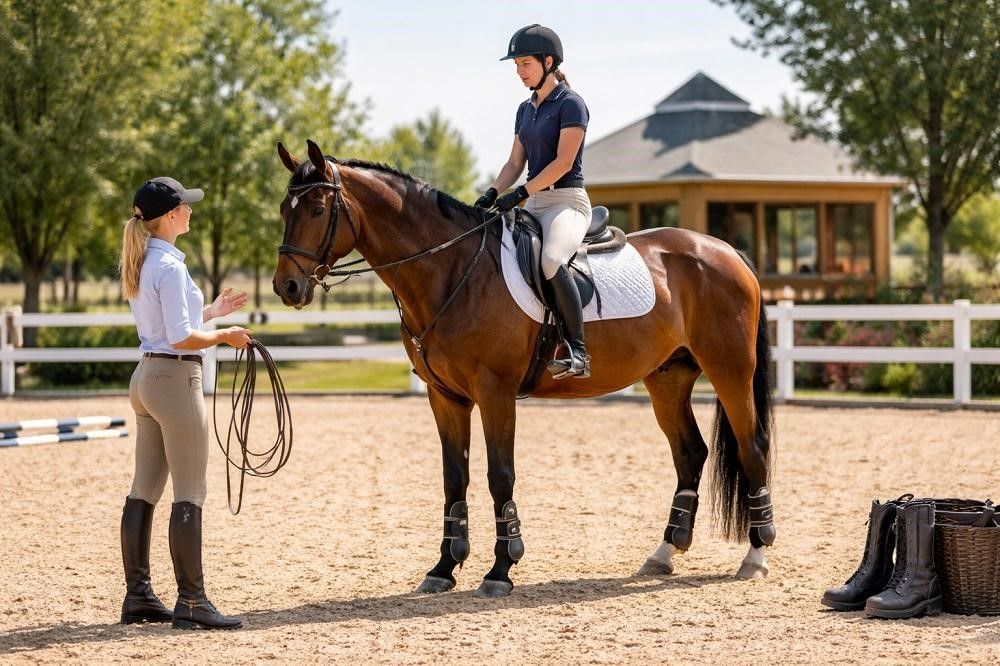
Before a rider climbs into the saddle, instructors usually explain the equipment used during lessons. The saddle provides the rider’s seat and stability, while the bridle allows gentle communication through the reins. Each piece serves a clear purpose, and understanding it helps beginners feel more comfortable around horses.
Many lesson programmes provide all the necessary gear. Helmets, saddles, and bridles are fitted by trained staff who ensure both rider and horse remain safe and comfortable. Riders typically arrive wearing simple clothing that allows free movement, then instructors guide them through the rest.
Footwear matters more than many beginners expect. Riding boots or sturdy boots with a small heel prevent the foot from slipping through the stirrup. This small detail plays a large role in maintaining balance.
Once the horse is prepared, the instructor introduces the mounting process. Riders often use a mounting block to step into the saddle safely. The first moment sitting on a horse can feel surprisingly high above the ground. After a few minutes, most riders begin to relax as they settle into the rhythm of the horse’s movement.
Posture becomes the first skill to practise. Riders sit tall, keep their shoulders relaxed, hold the reins gently, allow their legs to rest along the horse’s sides. This position allows the rider to move naturally with the horse rather than against it.
Mounting, Balance, and the First Walk Around the Arena
The walk serves as the starting point for almost every first lesson. It offers a steady pace where riders learn balance without feeling rushed.
At first, the movement may feel unusual. A horse’s stride shifts the rider’s hips gently from side to side. Instructors encourage riders to stay relaxed, breathe steadily, follow the motion rather than stiffen.
Simple steering exercises often begin at this stage. Riders learn how to guide the horse using a combination of rein pressure, leg position, and body direction. Small adjustments make a noticeable difference.
Turning in wide circles, riding along the arena wall, stopping calmly, starting again. These movements build the foundation for every future skill.
During Horse Riding Lessons for Beginners, instructors focus on these fundamentals rather than speed. A calm walk gives riders time to understand how horses respond to cues. Confidence grows quickly once the rider feels the horse responding clearly.
Skills Every Beginner Rider Starts With
Riding involves subtle coordination. New riders quickly discover that balance depends on more than simply sitting upright.
The rider’s core muscles stabilise the body. Legs provide gentle cues to guide the horse. Hands hold the reins with soft contact rather than pulling. Each part of the body plays a role.
Early lessons often concentrate on three essential abilities:
- Maintaining balance through the horse’s movement
- Learning rein control and leg cues
- Developing rhythm with the horse’s stride
These skills may appear simple, yet they form the base for every advanced riding discipline.
Developing Balance and Body Awareness
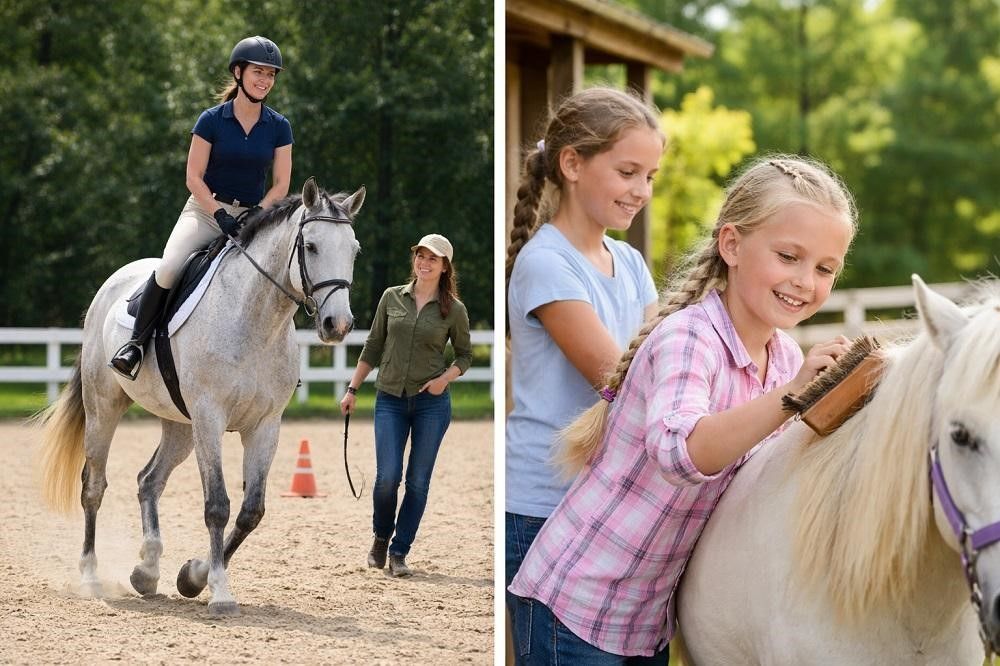
Balance improves with time in the saddle. Riders begin by focusing on posture and breathing, allowing their bodies to move naturally with the horse.
Instructors may ask riders to stretch their arms, adjust their seat, or practise standing slightly in the stirrups. These exercises help riders feel the horse’s movement more clearly.
A common breakthrough occurs when riders stop gripping with their legs. Relaxed legs allow better communication with the horse, which often leads to smoother movement across the arena.
Progress often arrives gradually. Riders notice improvements over several lessons rather than within a single session.
Understanding Reins, Leg Cues, and Posture
Communication between horse and rider relies on subtle signals. The reins guide direction, yet riders avoid pulling sharply. Instead, they use light pressure combined with body positioning.
Leg cues encourage the horse to move forward or adjust direction. Even a small shift in pressure can signal the horse clearly.
Posture influences everything. A rider who sits evenly helps the horse remain balanced. Leaning too far forward or back can disrupt that harmony.
As these cues become familiar, riders begin to feel more connected to the horse’s movement. Each ride becomes smoother.
This growing awareness marks a turning point for many beginners. Riding starts to feel natural rather than unfamiliar.
Building Rhythm With the Horse
A horse moves with a steady cadence that riders gradually learn to follow. Early lessons focus on feeling that rhythm through the saddle rather than controlling every step. Riders who relax their hips and allow the horse’s motion to guide them often improve faster.
Instructors frequently remind beginners to breathe and sit tall. Tension travels quickly through the reins and legs, which can confuse the horse. A relaxed rider creates clearer communication.
Over several lessons, the rider begins to anticipate the horse’s movement. The walk feels smoother, turns become easier, stopping feels controlled. These moments may seem small, yet they represent real progress.
Many riders describe a moment when everything suddenly clicks. The horse responds immediately to gentle cues, the rider feels balanced, the movement feels natural. That experience keeps many beginners returning for more time in the saddle.
Choosing the Right Programme for Adult Beginners
Riding schools often structure lessons carefully to help new riders progress safely. Programmes designed for beginners emphasise patience and repetition rather than rapid advancement.
Many adults prefer structured programmes that introduce skills step by step. These sessions often begin with groundwork, followed by riding practice at the walk, later adding more advanced movements once balance improves.
Horse Riding Lessons for Beginner Adults often include additional instruction around horse care. Grooming, tacking up, and basic horse handling become part of the learning experience. Spending time with the horse before riding builds familiarity and trust.
This approach also helps riders understand how horses think and behave. Observing ear position, body language, and energy levels allows riders to communicate more effectively.
Group Lessons Versus Private Instruction
Beginners often choose between group lessons or private instruction. Each option offers its own advantages.
Group sessions introduce riders to the social side of equestrian sports. Riders learn alongside others who share similar experience levels. Watching fellow riders practise turns or transitions provides valuable learning.
Private lessons offer more personalized guidance. Instructors focus entirely on one rider, allowing for detailed feedback on posture, rein contact, or leg position.
Visit https://www.denverpoloclub.com/contact to learn more or begin your journey.
Many riders begin with private instruction, then transition to small group lessons once confidence grows. This combination builds skill while maintaining the supportive atmosphere that makes riding enjoyable.
Progressing From Basics to Confident Riding
Riding progress rarely follows a straight line. Some lessons feel effortless, while others challenge balance or coordination. This natural variation helps riders develop patience.
After mastering the walk, riders usually begin learning the trot. This faster gait introduces new balance challenges. Riders learn to rise slightly from the saddle in rhythm with the horse’s movement, which creates a smooth riding style.
Each new skill builds upon the last. Riders refine steering, improve balance, and develop stronger communication through subtle cues.
Regular lessons often lead to surprising improvement over time. Riders who once felt unsure in the saddle begin guiding the horse with quiet confidence.
What to Wear and Bring to Your First Lesson
Preparation for the first lesson remains simple. Comfortable clothing allows riders to focus on learning rather than adjusting gear.
Riders often choose fitted trousers or riding breeches, a comfortable shirt, sturdy boots with a heel. Many facilities provide helmets to ensure proper safety standards.
Some riders bring gloves for better rein grip, especially during cooler months. Sunscreen and water also help during warm summer lessons.
Most riding schools provide the horse, saddle, and necessary tack. Instructors ensure that equipment fits correctly before each lesson begins.
Facilities such as Denver Polo Club provide structured instruction with experienced horses, supportive instructors, welcoming surroundings that make learning enjoyable for newcomers discovering the sport.
Learning to Ride in Colorado
Colorado offers a unique setting for equestrian sports. Open landscapes, mountain views, wide skies create memorable riding experiences.
Many riders begin with Horse Riding Lessons Denver visitors often seek when exploring the region’s equestrian community. Riding schools near the city provide access to well-maintained arenas, experienced instructors, and calm lesson horses.
The environment plays a role in shaping the experience. Warm summer evenings, crisp mountain air, expansive fields all contribute to the appeal of riding in this region.
Riders often continue their journey beyond the arena. Trail rides, polo events, community gatherings bring people together around their shared interest in horses.
The sport gradually becomes more than a lesson. It becomes part of a lifestyle shaped by fresh air, skilled horsemanship, lasting friendships.
Seasonal Riding Opportunities and Community Events
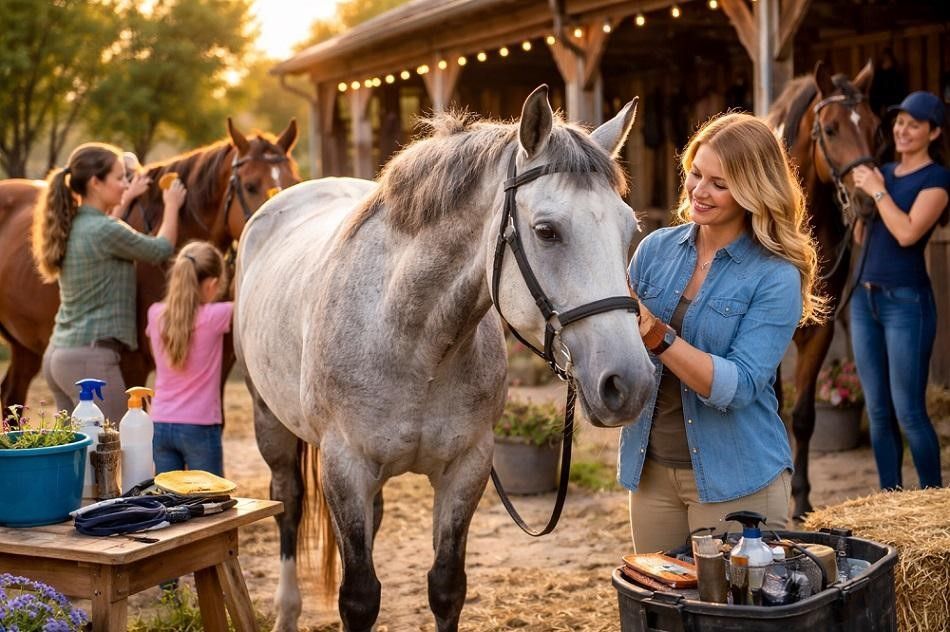
Riding in Colorado follows the rhythm of the seasons. Summer often brings the busiest time for equestrian activity, with riders spending long evenings at the stables while the sun settles behind the mountains.
Outdoor arenas come alive during these months. Riders practise basic skills, instructors guide lessons from the centre of the ring, horses move steadily along the rail. Spectators gather along fences, sharing conversations while watching riders build confidence in the saddle.
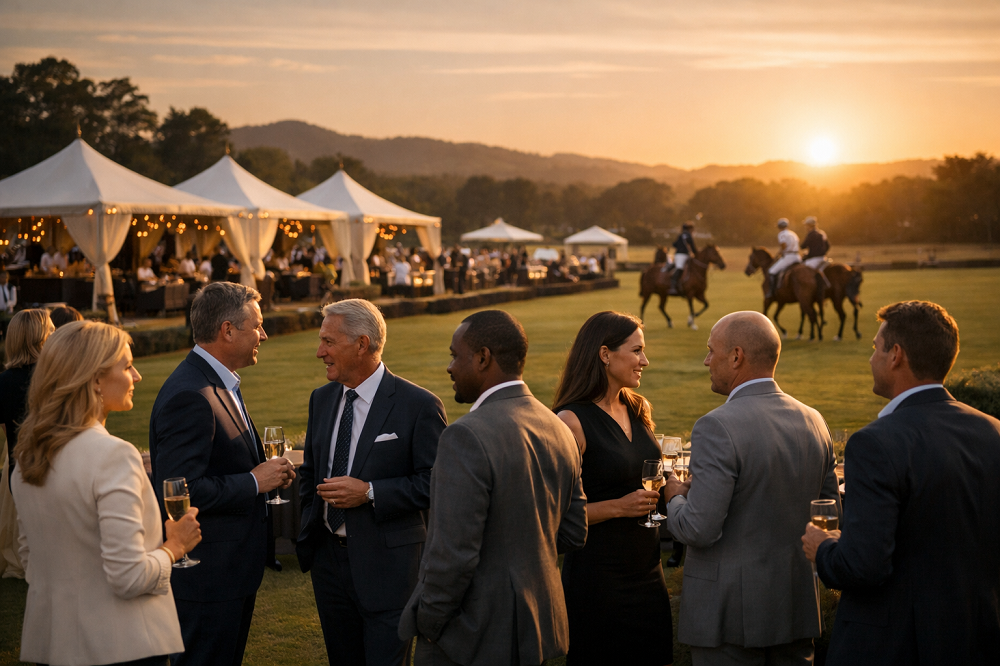
Events often add another layer of excitement. Polo matches, riding exhibitions, and relaxed gatherings introduce newcomers to the wider equestrian community. A day around the field offers an easy way to understand the sport while enjoying the atmosphere that surrounds it.
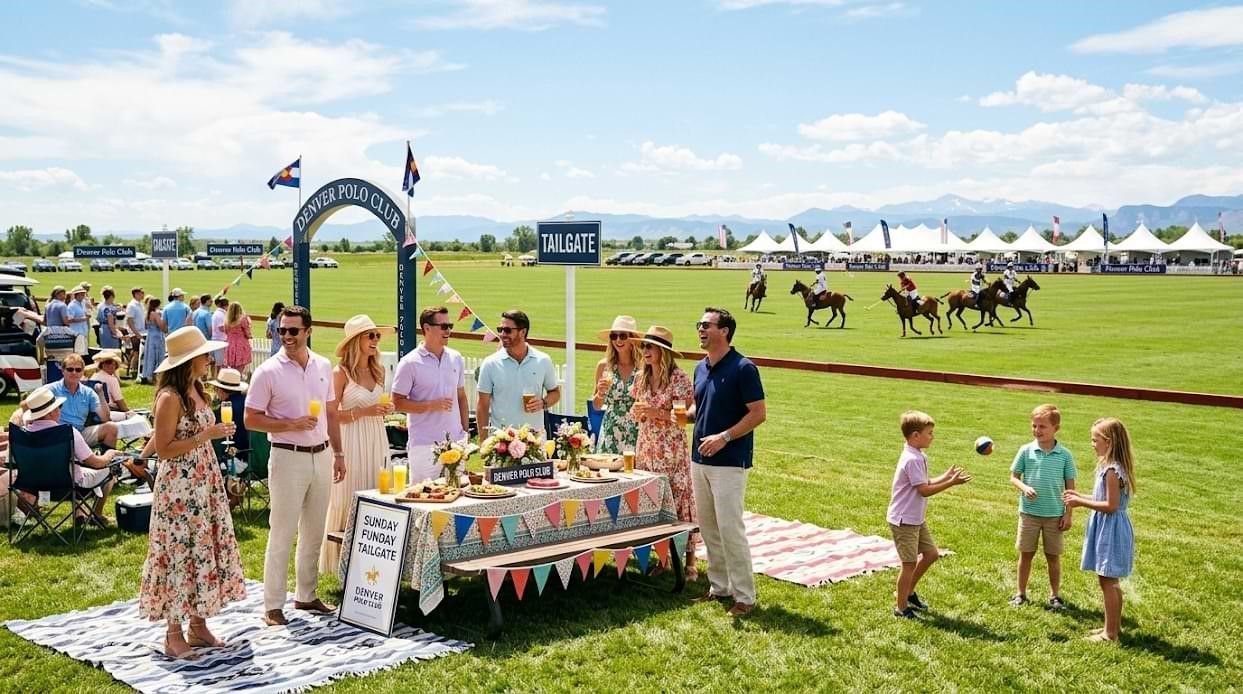
Facilities such as Denver Polo Club host public match days where spectators can experience polo alongside food, drinks, music, field-side viewing. These events welcome families, friends, curious newcomers who simply want to see horses in motion while spending time outdoors.
Many riders who first attend as spectators later decide to try a lesson themselves.
Building Confidence in the Saddle
Confidence rarely appears during the first ride. Most beginners feel a mix of excitement and caution when sitting on a horse for the first time. The animal’s size alone commands respect.
With each lesson, that initial hesitation begins to fade. Riders learn how the horse responds to calm cues, balanced posture, steady breathing. The horse, in turn, becomes familiar with the rider’s voice, movement, and energy.
Instructors often focus on small successes rather than large milestones. A smooth turn around the arena, a relaxed walk along the rail, a controlled stop can feel like a major achievement.
Consistency matters more than speed of progress. Riders who return regularly tend to improve naturally. Balance strengthens, communication becomes clearer, riding feels more intuitive.
Over time, riders often notice something unexpected. The horse begins to feel less like a challenge and more like a partner.
Developing Trust Between Rider and Horse
Trust forms through routine. Grooming before a lesson allows riders to spend quiet time with the horse. Brushing the coat, adjusting tack, walking calmly beside the horse all help build familiarity.
Horses respond strongly to calm behaviour. A rider who approaches with patience often finds the horse relaxed and attentive.
This connection becomes visible during lessons. The horse begins to recognise the rider’s cues more clearly. Movements become smoother, transitions between walking and turning feel more coordinated.
Many riders remember the moment when the horse responds instantly to a gentle cue. That quiet response often marks the beginning of real partnership.
How Regular Lessons Lead to Steady Progress
Learning to ride resembles learning a musical instrument. Improvement arrives through repetition rather than sudden leaps.
Riders gradually refine posture, balance, timing, coordination. The horse becomes easier to guide, the rider’s seat becomes more stable.
Some riders continue toward disciplines like polo, jumping, or dressage. Others simply enjoy the rhythm of riding itself.
What begins as curiosity often becomes a lasting passion. The time spent around horses offers a break from everyday routines, replacing noise and screens with fresh air, movement, quiet concentration.
That simple moment in the saddle, listening to hoofbeats echo softly across the arena, reminds many riders why they started riding in the first place.
Share it!