
Riding Equipment for Horses Used in Training Lessons
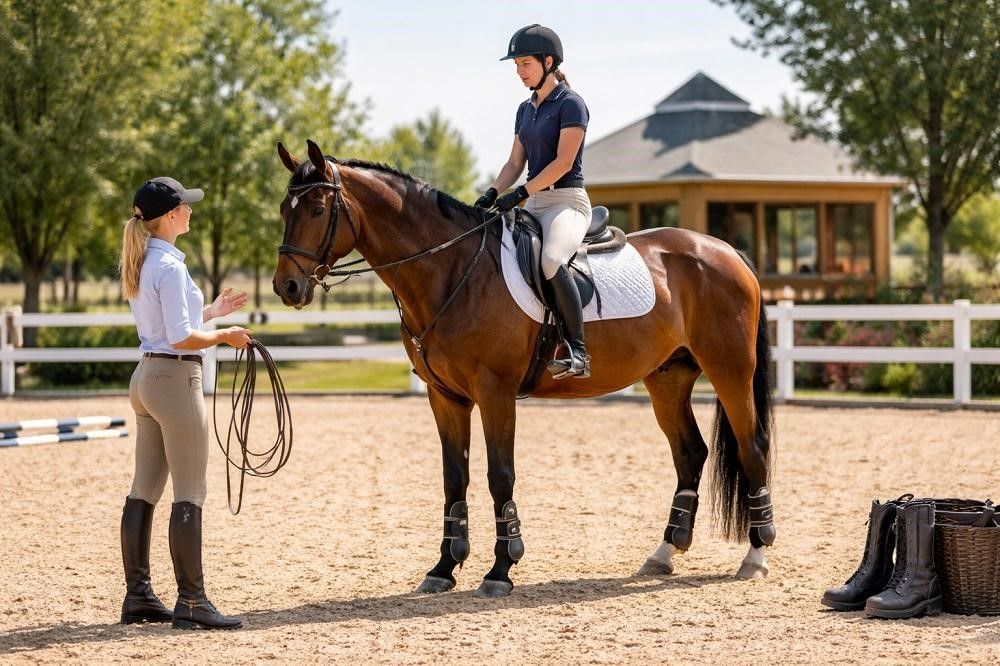
The equipment used in horse training lessons does more than support performance; it shapes the experience for both horse and rider. Each item has a specific function, whether it’s to maintain safety, reinforce training cues, or provide comfort during high-intensity sessions. Choosing the correct riding equipment for horses is essential, especially in structured lessons where consistency and safety are key. This becomes even more important during horse lessons in Denver, where well-organized training sessions rely on the right equipment to ensure both the rider and horse can focus on learning and performing at their best.
Why the Right Riding Equipment Matters
Safety for Horse and Rider
No lesson can go smoothly without safety. Correctly fitted tack helps avoid slipping saddles, pinching bits, and unbalanced movement. Ill-fitting gear isn’t just uncomfortable, it creates risk. Bridles with worn leather or girths that rub can cause resistance or behavioural issues, which then complicate the lesson. A secure, well-fitted saddle stabilises the rider’s position, ensuring clearer communication and balance in motion.
Comfort During Lessons
Horse training isn’t just about obedience, it's about building confidence. Equipment that chafes, pinches or overheats undermines that. Padding in the saddle area, breathable materials, and correctly adjusted nosebands all contribute to a better learning environment. Comfortable horses tend to move more freely and respond more willingly, which is critical during longer lessons or repetitive drills.
Consistency in Horse Training
Using the same type and fit of gear helps horses associate specific cues with specific movements. This is particularly true with bits and reins. A change in rein pressure or bit placement even if unintentional can confuse the horse, especially if they’re still learning. A consistent equipment setup makes lessons clearer and progress more efficient.
Horse Riding Equipment List for Training Lessons
Saddles and Saddle Pads
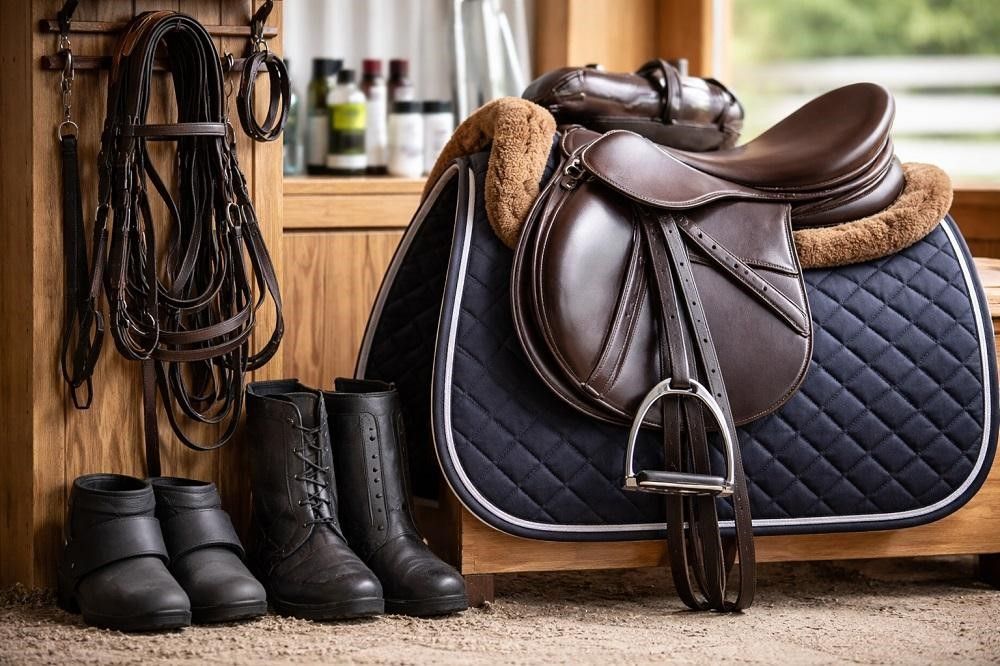
The saddle is arguably the most critical piece of riding equipment for horses. For lessons, general-purpose English saddles are often used, especially in early training. These saddles offer balanced support for the rider and help distribute weight evenly across the horse’s back. Underneath, the saddle pad adds cushioning and protects the horse’s skin. Look for pads that are breathable, shaped to fit the saddle type, and easy to wash.
Bridles, Bits, and Reins
The bridle connects the rider to the horse’s mouth, so it must be chosen with care. English bridles are typically used for structured training, offering refined communication through the reins. Bits should match the horse’s experience level, milder bits for green horses and more advanced mouthpieces only when appropriate. Reins need to provide grip and flexibility without feeling bulky.
Girths and Surcingles
The girth holds the saddle in place. Elasticised ends, anatomical shaping, and soft materials can make a major difference in comfort. Surcingles are also used during groundwork or lunge-line lessons, allowing for rein attachments without a saddle. These are especially helpful when introducing young horses to equipment or when building muscle without added rider weight.
Stirrups and Leathers
Stirrups support the rider’s foot, stabilising leg position and assisting balance during transitions. For training lessons, lightweight safety stirrups with rubber release arms or peacock designs are often preferred, particularly for younger or less experienced riders. Stirrup leathers should be supple yet strong, and adjusted evenly to maintain rider alignment in the saddle.
Leg Protection (Boots, Bandages, Bell Boots)
Training can involve tight turns, speed changes and unexpected movements, all of which increase the risk of leg injuries. Polo wraps, brushing boots and bell boots help protect tendons and fetlocks. In lessons, horses benefit from leg protection even at lower intensities, especially when learning lateral movements or working on new skills.
Training Aids and Martingales
Used correctly, training aids can help reinforce posture and control. Running martingales, for example, prevent head tossing while allowing freedom when the horse carries its head correctly. Side reins might be used during lunging to promote self-carriage. These tools should always be fitted by an experienced trainer and only used as part of a structured programme.
What to Look for in Quality Horse Gear
Fit and Adjustability
No piece of tack should ever be one-size-fits-all. Horses differ in build, height, and musculature, which affects how equipment sits on their bodies. Saddles should be regularly checked for pressure points, and bridles should allow for fine-tuning around the poll and jaw. Adjustable gear accommodates seasonal changes in the horse’s condition.
Materials and Durability
Leather remains a favourite for its strength and flexibility but synthetic options are increasingly popular in lessons due to their low maintenance and cost. Whichever material is chosen, durability is key. Frayed stitching, cracked leather or stretched elastic compromise safety. High-wear items like girths and reins should be regularly replaced.
Equipment Maintenance Tips
Dirty or neglected tack deteriorates quickly. Regular cleaning not only extends its lifespan but helps spot damage early. After each use, wiping down sweat marks and checking for wear helps avoid issues mid-lesson. Saddles and bridles should be conditioned periodically and all buckles checked for tightness.
Tack Room Essentials for Polo and Lesson Prep
Halters and Lead Ropes
Before any lesson begins, halters and ropes are used for catching, tying, and leading the horse. Padded or breakaway halters are preferred for safety. For polo settings, presentation matters neat, matching gear is often encouraged during events or group lessons.
Grooming Kits and Storage
No piece of riding equipment for horses can compensate for poor grooming. Clean skin reduces rubbing, and checking legs or backs during grooming often reveals issues early. A well-stocked grooming kit should include curry combs, hard and soft brushes, hoof picks and mane combs. Tack storage is just as vital dust, sun and mice can all degrade gear left lying around.
Polo-Specific Gear Used in Lessons
For students preparing for polo play, lessons may introduce sport-specific equipment. Polo saddles are flatter and allow freedom of movement for hitting. Breastplates help stabilise the saddle at speed. Players might also be introduced to mallet carriers or different rein types suited to one-
handed riding. While not always used in early sessions, this equipment becomes essential as lessons progress.
Horse Lessons in Denver: What to Expect
Beginner to Advanced Training
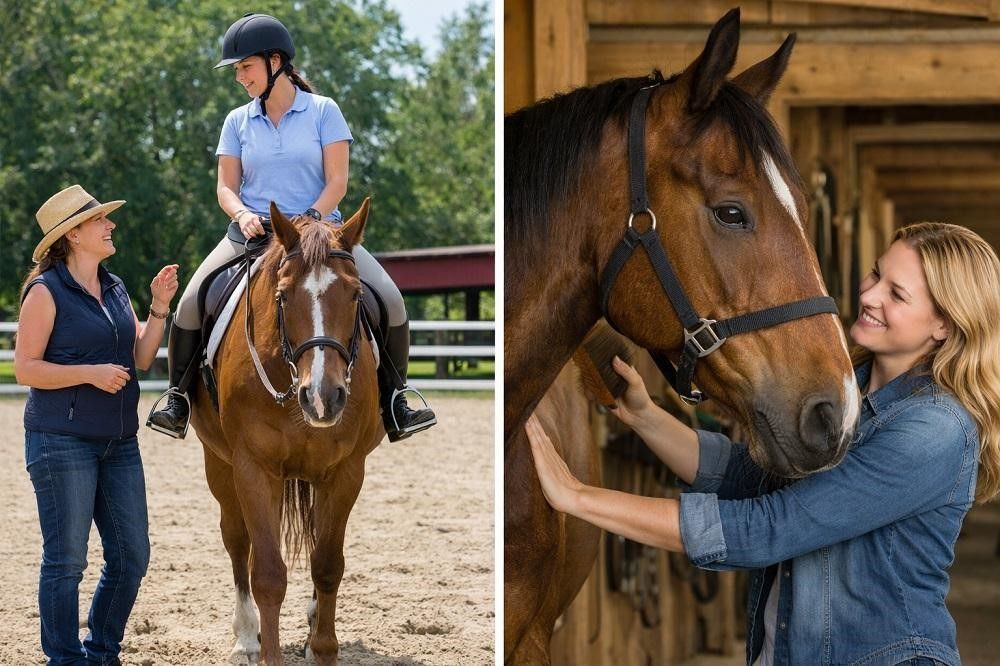
Training lessons are tailored to the rider’s ability and the horse’s responsiveness. Beginners often start with groundwork, focusing on posture, balance, and basic control. As lessons progress, riders are introduced to more complex movements and transitions, working in tandem with horses conditioned for lesson environments. Consistent exposure to quality riding equipment for horses helps reinforce these skills efficiently.
At the Denver Polo Club, lessons range from private to group sessions, accommodating all levels. The instruction focuses not only on technique but also on understanding the horse’s response to gear, pressure and rhythm.
Equipment Provided vs Required
In structured lessons, the majority of equipment is often provided, especially for those new to riding. Saddles, bridles, leg protection and helmets are typically included. Riders may be asked to bring their own boots or gloves once they commit to regular sessions. The horse riding equipment list remains fairly consistent across lessons but may evolve as a rider moves into polo-specific training.
As horses become more attuned to their tack setup, continuity becomes more important. A sudden change in bit or saddle can disrupt the horse’s performance and affect learning outcomes, so gear choices are often reviewed with the instructor.
Safety Briefings and Polo Readiness
Before each lesson, safety briefings help set expectations. Riders are shown how to check tack, tighten girths and ensure stirrup length is correct. Polo-specific lessons may also include warm-up routines that reflect match-day conditions. From rein grips to saddle positioning, small details matter in preparing for play.
Correct equipment usage is part of the learning process. Riders are trained to identify when a piece of tack is out of place and horses are monitored for signs of discomfort or resistance. Over time, this attention to detail creates confident, aware riders ready for competition or casual play.
Spotlight on the Denver Polo Classic
Connection Between Polo Events and Training Gear
The Denver Polo Classic, a high-profile annual event, showcases not just talent but also preparation. Horses competing at this level rely on equipment they’ve been conditioned to wear during training. From stirrup positioning to rein length, everything used in lessons translates directly to tournament performance.
For those taking lessons with the goal of competing, consistency in tack is critical. Riders begin with training aids that mimic match-day setups: flat saddles, martingales and reins tailored for polo. These aren’t just stylistic choices; they build muscle memory that becomes invaluable during games.
How Gear Used in Lessons Translates to Tournament Play
Every turn, strike and gallop in a polo match depends on split-second responses. Equipment used in lessons must allow for this without resistance. That’s why horses trained at the Denver Polo Club are fitted with tack that closely matches competition standards from the outset.
From synthetic grip reins to open-front boots that allow for high-impact stops, the equipment is not decorative, it's functional. Riders who train with tournament-ready gear are better prepared when the stakes rise. It also reduces the chance of gear-related surprises mid-match, ensuring safety and focus remain intact.
Final Thoughts on Building Your Riding Kit
Choosing the right riding equipment for horses isn’t about following a checklist, it's about understanding how each item influences performance, communication and safety. Whether in structured horse lessons in Denver or preparing for an event like the Denver Polo Classic, consistency and comfort should guide all gear choices.
A solid horse riding equipment list grows with experience. Early on, riders may rely on provided tack, but with time, many choose to invest in their own gear items they know, trust and maintain. Saddles that fit perfectly, reins that feel right in the hand and leg protection that moves with the horse can all shape the lesson experience.
In training, the horse learns just as much as the rider. That mutual learning process becomes more effective when the gear is dependable, appropriate and well-fitted. Lessons aren’t just a time to practise, they're a space to build trust. The equipment plays a quiet but critical role in that relationship.
From the first halter to the final match-day saddle, good tack supports clear signals, safe movement and steady progress. For those training at a club that values quality and tradition, every strap, buckle and rein has its place in the journey.
Share it!