
Horse Riding in Denver: A Beginner’s Guide to Getting Started
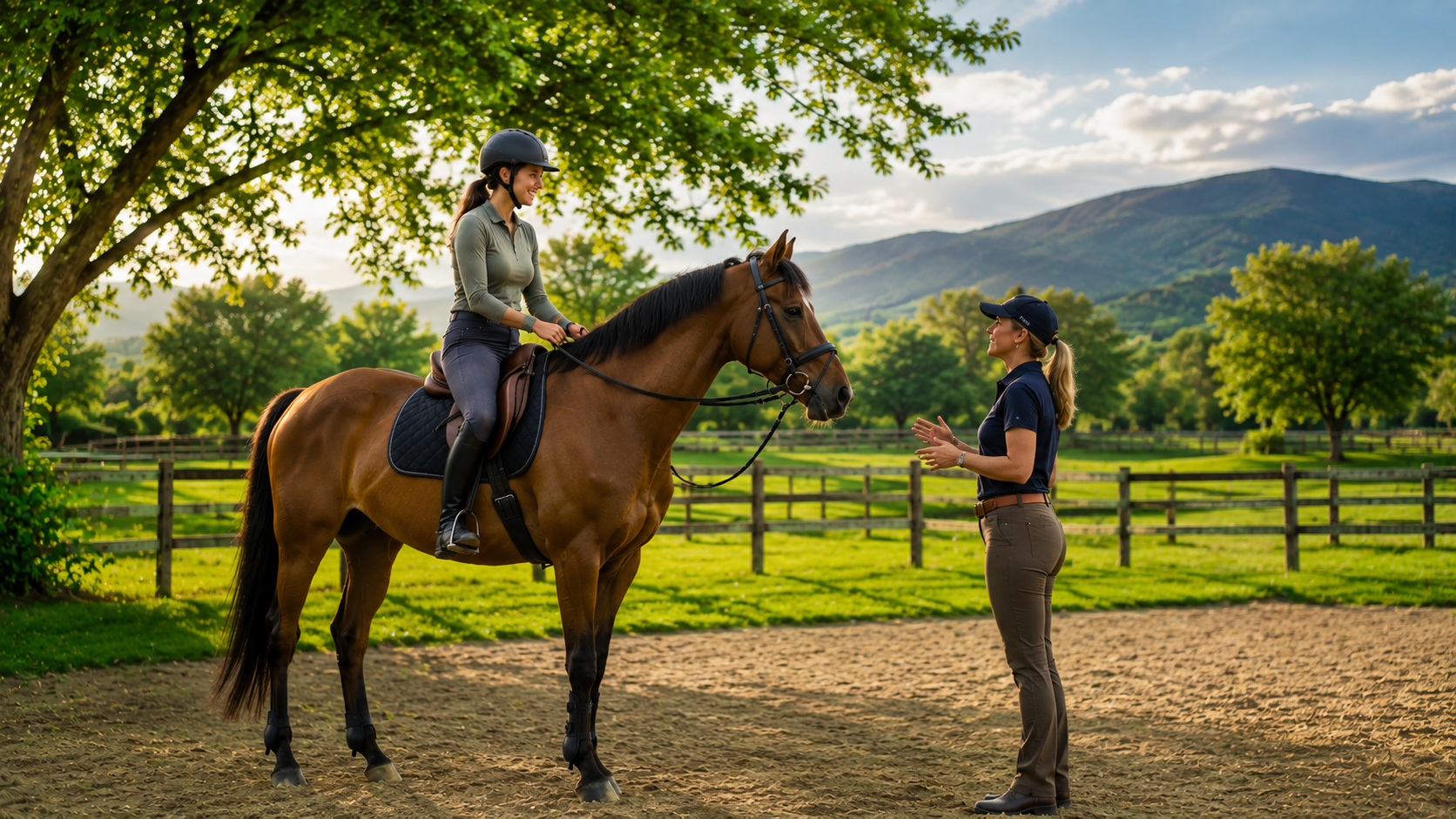
Most people who try horse riding in Denver for the first time say the same thing afterwards: they wish they had started sooner. There is something about sitting on a 1,000-pound animal that has no interest in your nerves, your plans, or your idea of control, that resets your entire perspective in about four minutes flat.
Denver, as it turns out, is one of the best places in America to have that experience. The city sits right on the edge of Colorado's equestrian heartland, where state parks, foothills ranches and serious riding clubs begin almost the moment the suburbs end. Beginning horse riding is no tourist gimmick here – it is an all-out industry that is thriving quietly around 30 to 40 minutes away from the city centre, and this guide will be your quickest route to finding your way around.
Why is Denver Tailored for Novice Riders?
Though the equine tradition of Colorado is not very famous, Colorado Senate Bill SB25-149, which passed in 2025, takes into account the study performed by the American Horse Council for Colorado showing that there were 187,000 households of Coloradans who were involved in learning to ride and there were 220,000 in trail riding. There are 16,700 jobs in Colorado equestrian recreation industry. Not your holiday camp figures, but a genuine industry with everything a novice rider needs: competent instructors, skilled horses and experience in handling novices week after week.
Denver has horse riding options from guided trail rides through Cherry Creek and Chatfield State Parks to proper riding programmes in English, Western, dressage and polo in the arena. The Front Range climate helps too; the dry, long riding seasons on this side of the Rockies mean fewer weather cancellations and more consistent progress across the season. Equestrian activities Denver riders can access stretch well beyond beginner trail rides, which matters because where you start and where you could go are two very different things here. Horse riding Denver options for beginners have never been more accessible or varied.
What Riding Does to You That the Gym Cannot?
Horse riding looks passive. Not exactly. Maintaining your balance on even a slow-moving horse demands work from the core, inner thighs, and lower back that your usual gym exercises simply won't do. More fascinating is the psychological element: horses react to the tension of their riders on a moment-by-moment basis, so any rider who tightens up can be sure to feel a reaction from their horse in response within moments. Being able to remain relaxed and responsive despite this pressure is something most riders learn only after multiple lessons and keep forever after. The bonus for a family is a challenge for all ages to take on together.
The Three Types of Facility, and How to Choose the Correct One
Booking a facility that is unsuitable for your purposes is a waste of both time and money. There are three different kinds of facilities in Denver, and it would be useful to understand their differences before making any bookings.
| Facility Type | What It Offers? | Best For |
| Trail riding stables | Guided rides on calm horses along set routes | A first experience with no instruction |
| Riding schools | Structured lessons with certified instructors | Building real, transferable riding skills |
| Polo clubs | Beginner horse riding lessons, drop-in chukkers, open house events | Community environment, competitive sport |
Horse riding lessons Denver programmes at dedicated riding schools are built entirely around skill development. Rides in Littleton, Brighton, and Wheat Ridge feature certified English and Western lessons for beginners of all ages and sizes, with matches made on rider temperament and skill levels rather than on physical size. Horseback riding lessons Denver in this case involve coming in as an absolute beginner and walking out of the first lesson with a basic idea of how to direct a horse using your body weight and hands.
Trail stables provide yet another option which also has its place: an unhurried and picturesque introduction to the world of riding on challenging grounds where absolutely no skills from the rider are required other than remaining on the horse. Both have their merit; the matter is in the goal of the rider.
English or Western: The Decision Most Beginners Make Too Quickly
Both subjects are taught in nearly all facilities in Denver, and most novices are forced to make a decision without having all the facts to make an informed choice. The table below goes beyond the superficial distinctions and gets to what truly counts for a beginner.
| Feature | Western Riding | English Riding |
| Saddle | Deep, wide, with a prominent horn | Flat, close-contact, lighter |
| Leg position | Longer, relaxed stirrup | Shorter, more active contact |
| Rein handling | Loose, one-handed neck reining | Direct two-handed contact |
| Natural progression | Trail riding, ranch work, Western disciplines | Jumping, dressage, eventing, polo |
| First-session feel | More immediately stable | More physically engaging from the start |
The Western style of riding is less stressful at the beginning because of how the saddle performs most of the functions for you. In contrast, the English style requires that you learn how to maintain your balance immediately and will seem more difficult, yet it will make you technically ready much faster if you wish to compete.
Which of them suits you better? Trail rides on Colorado's open land lean Western. Polo, jumping or dressage lean English. Both paths are well-supported in the Denver area; neither is a wrong answer.
What a First Riding Lesson Looks Like?
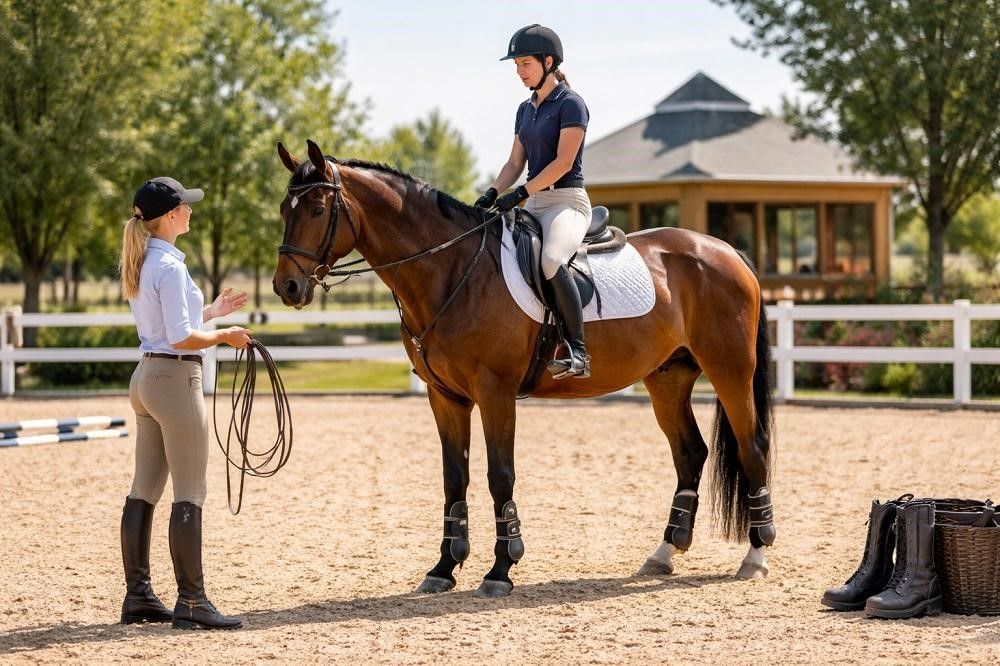
Properly run horse riding lessons for new riders do not start off from the saddle. The proper procedure is to commence ground training, which is intentional, not a matter of caution.
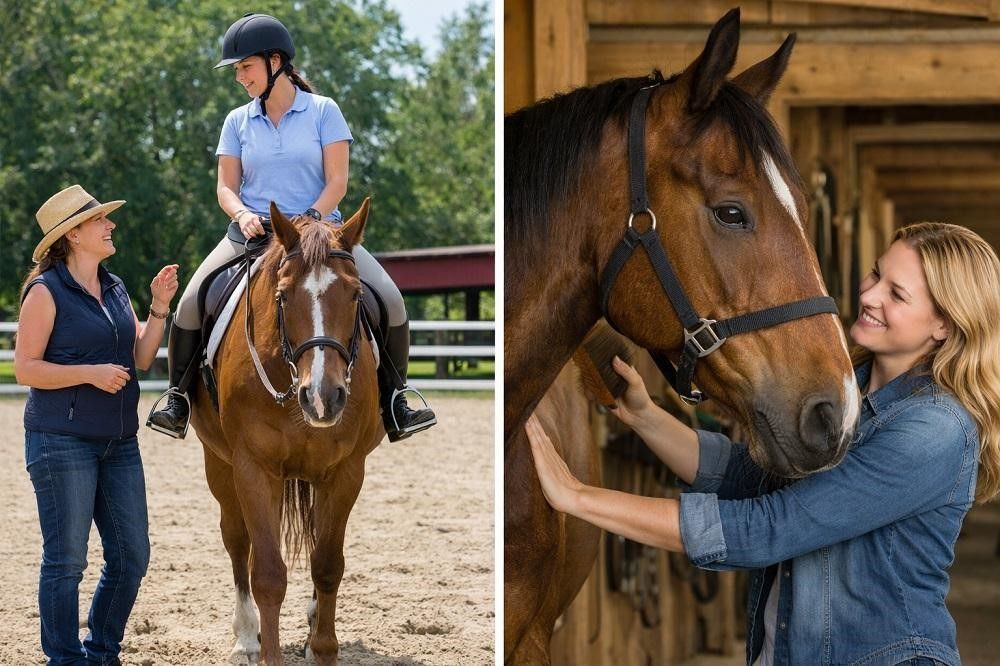
The instructor will introduce the horse by showing how to approach from the front or side, because from here, the horse sees you approaching clearly. Right behind the horse's rear is the blind spot, and even a docile school horse will react with a kick. Basic grooming follows, and this part matters more than it looks: handling a horse on the ground before riding establishes a communication dynamic that makes the mounted work significantly easier.
Once the instructor determines that the rider is comfortable, mounting can take place. Initially, attention will be on position, which involves sitting up straight in the saddle, looking ahead instead of down at the horse’s neck, sinking the heels in the stirrups, and having loose hands on the reins. Walking and basic steering come next. Most beginners are attempting to stop and change direction within the first half hour. Trotting follows in later sessions, once balance at the walk has settled into something reliable.
Mistakes That Are Worth Avoiding From the Start
- Gripping the reins tightly; this sends constant mixed signals through the bit.
- Tensing the body when anxious; horses read physical tension and shift their behaviour accordingly.
- Staring down at the horse's neck instead of looking where the ride is going.
- Trying to steer through strength rather than through weight and leg position.
- Treating the groundwork phase as a delay rather than the foundation of the whole lesson.
What to Wear: Practical, Not Expensive?
Specialist equestrian clothing is not necessary from the first session. A few specific choices matter for safety; the rest is personal preference and can be figured out over time.
| Item | What Works? | What to Avoid? |
| Trousers | Fitted long trousers; jeans are reliable | Shorts of any kind; saddle chafing is immediate |
| Footwear | Boots with a defined 1-inch heel | Trainers, sandals or any flat-soled shoe |
| Helmet | ASTM/SEI-certified; most facilities provide one | Cycling or skateboarding helmets |
| Top | Fitted or close-fitting shirt or layer | Loose or baggy clothing near tack and stirrups |
| Extra layer | Lightweight jacket; Colorado weather moves fast | Nothing extra in spring and autumn sessions |
Why The Footwear Requirement Is Something That Needs To Be Explained?
The presence of a heel ensures that your foot does not go through the stirrup, and you may end up dragging yourself due to the fact that the foot will get stuck in the process of falling. The heel is a mechanical necessity, rather than a choice in styling. The Denver Polo Club offers helmets, mallets, and boots to all its members.
Arena First, Trail Second: Why The Order Is Important
Horse riding Denver beginners almost unanimously want to go straight to a trail. It is a simple fact that one should start training in an arena, since the techniques learned in an arena environment are real ones indeed.
In the enclosed arena, the trainer has control of the environment, while the rider thinks of nothing else except the position, balance and communication. Training on an open trail adds variables before the rider is ready for them. The riders who start in arenas and move to trails after a few sessions tend to enjoy trail riding far more than those who are placed on trail horses from their first day, precisely because they arrive with actual control.
Colorado's trail riding, once that foundation exists, is exceptional. Cherry Creek and Chatfield State Parks both offer routes that range from flat grassland to foothills terrain, accessible within 30 minutes of the city. The landscape makes a strong argument for getting competent enough to appreciate it properly.
Private Lessons or Group Sessions
Riding lessons Denver providers offer both, and the choice matters more than most beginners realise.
Private lessons concentrate the instructor's attention entirely on one rider, which is genuinely valuable in the early sessions when small corrections to posture and rein contact make a large difference to progress. The rhythm changes depending on the person. Group lessons decrease the cost and bring a social component to the training process; horseback riding Denver along with other horses is a more natural experience for those who do not feel comfortable taking individual lessons.
The most sensible thing to do would be to try out one or two individual lessons and then go for the group classes after that. Individual lessons are better at the start because of instant feedback, and once you get used to the walking and steering, the group will motivate you instead of getting confusing for you.
Denver Polo Club: A Different Kind of Introduction to Riding
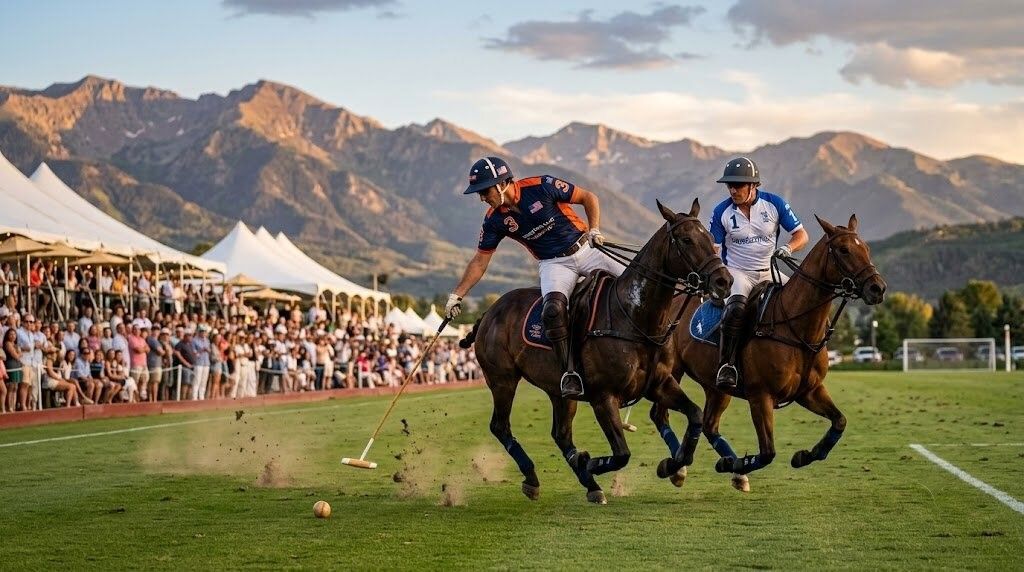
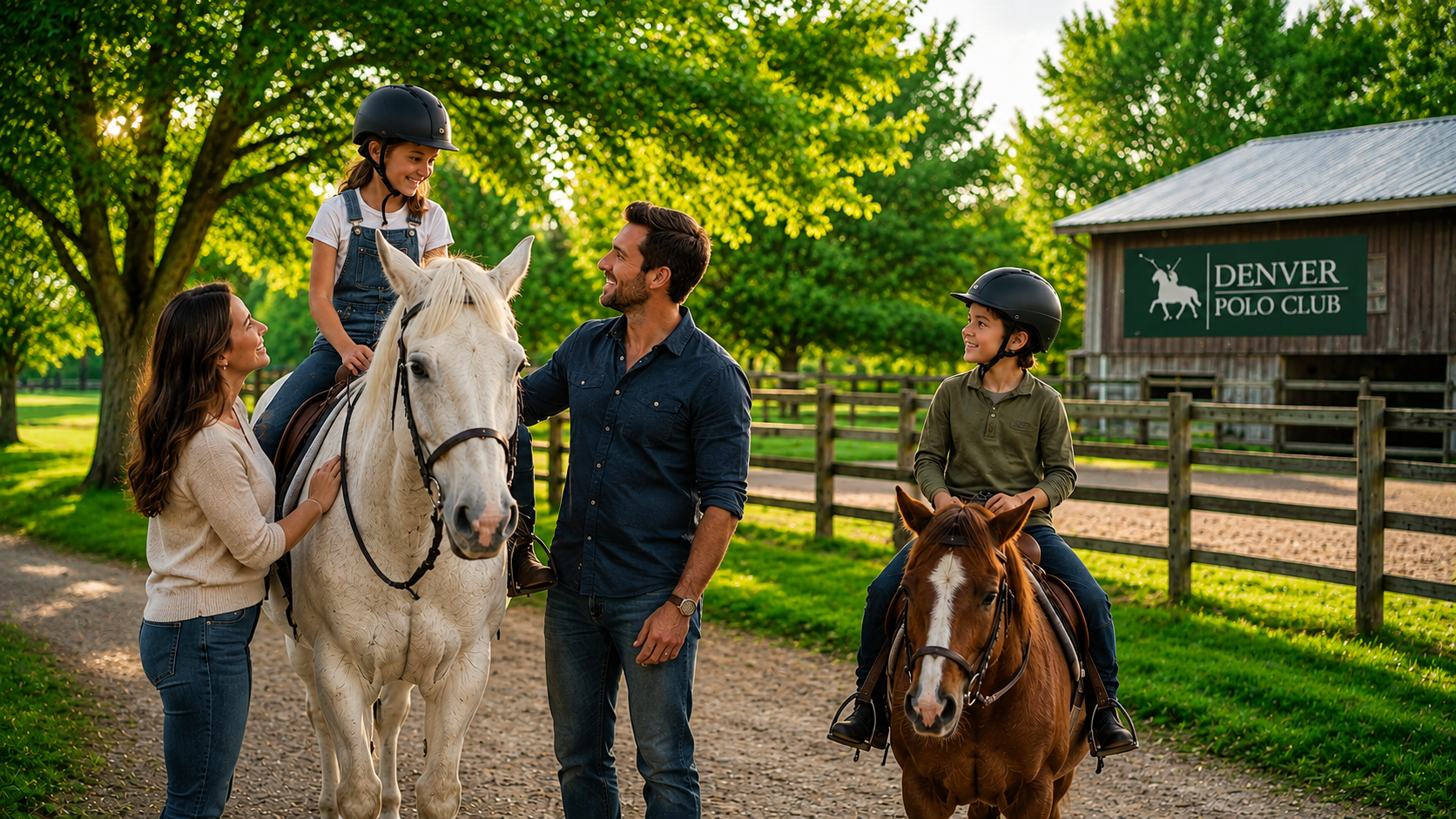
For those who like the competitive nature of equestrian sports, Denver Polo Club stands out in its own class in this part of the world. The horse riding club Denver was founded way back in 1986 by John and Chris Gandomcar, and today runs under the leadership of their daughter, Erica Gandomcar Sachs, one of the best women polo players of her generation. Located on a 100-acre ranch in Sedalia, 35 minutes from Denver city centre, the club provides beginner polo lessons, chukkers and open houses throughout the year, providing all necessary safety equipment - helmets, mallets and boots included- meaning that no prior knowledge or experience is needed. As an equestrian club in Denver with almost four decades of international competition experience, with teams invited from India, Argentina, Pakistan, the UK and all over the US, the club has a lot of professional experience that riding schools lack when teaching horse riding for beginners.
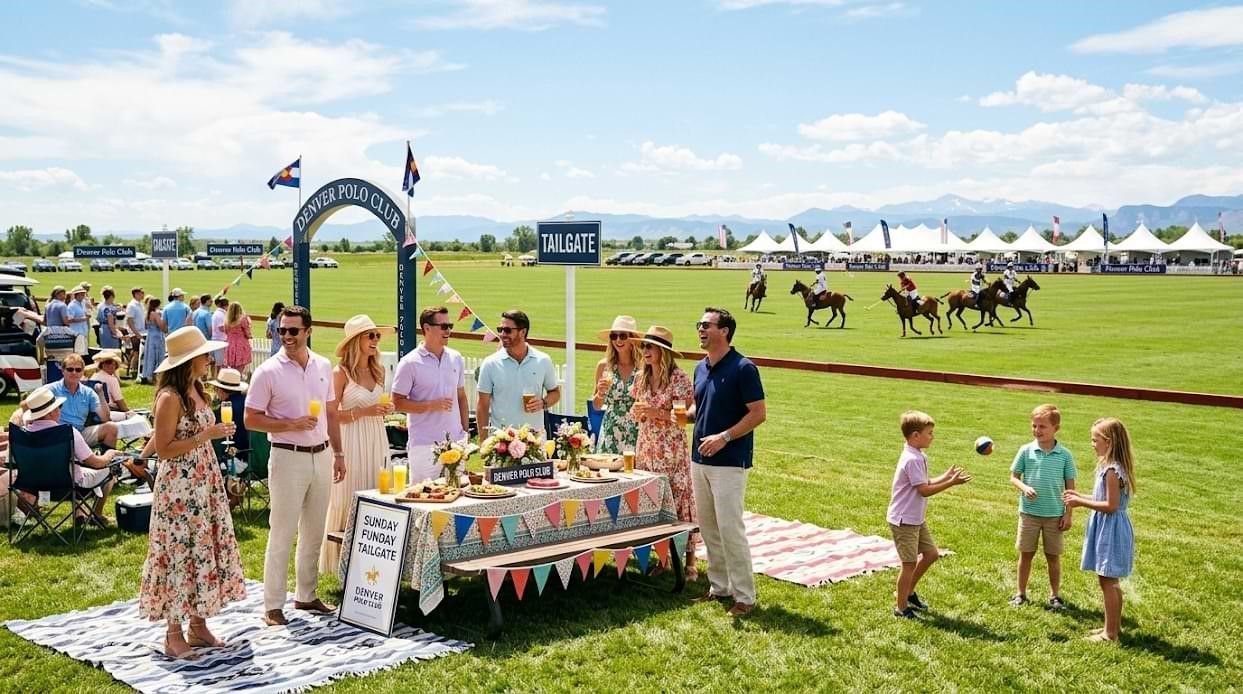
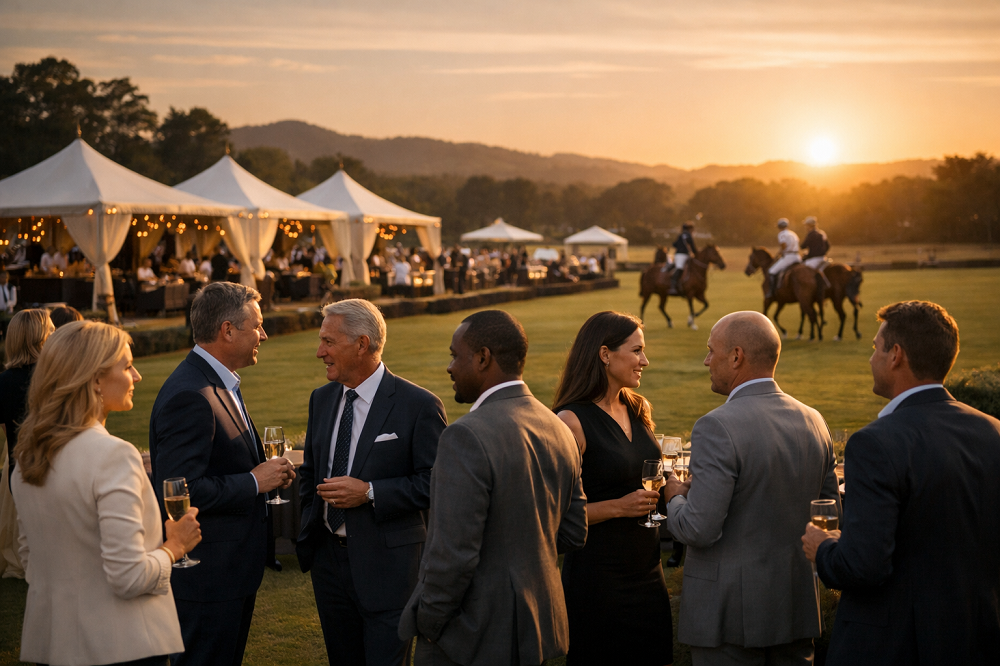
The Sunday Funday festivities take place throughout June until September and feature polo matches, tailgating, live music, and cocktails from the field side all in one afternoon. It is one of the truest forms of unique family fun things to do in Denver, offering both the onlookers and first-timers a glimpse of what it is like to experience the Denver polo classic season in an environment that is friendly rather than scary.
How Soon Until It Begins to Work?
Most people get comfortable with walking, steering, and stopping the horse after about three to five lessons. Consistent trotting comes after one month of weekly lessons. Consistency is key; frequency is not as important since it takes weekly lessons for the body to develop memory and spatial awareness.
The difference between being comfortable riding a horse and riding skillfully should be kept in mind. Comfortable recreational riders can get comfortable in about a month, and remain so for years. Posting trot, canter transitions, and independent school figures usually take about six months to a year. Both are correct, and having an understanding of which one you are aiming at will help your early lessons not be so frustrating.
Frequently Asked Questions
Do I Have To Have Any Experience In Order To Begin Horse Riding In Denver?
No. The stables throughout Denver are well equipped to cater for all beginners on a weekly basis. The first time, the session is meant for groundwork and the correct position prior to any riding at all.
Difference Between Trail Riding And Learning To Ride?
Trail riding entails riding a quiet horse, one that walks along with the herd and does not need to be steered. Learning how to ride means the skill of being able to control the horse so that after the first lesson you will be able to mount, dismount, steer, and stop the horse.
Which Style Of Horse Riding Is Suitable For Beginners?
Choose based on where you want to go next. Western riding suits trail riding and a relaxed recreational approach. English riding suits polo, jumping or dressage. Most Denver facilities teach both and can advise during an initial enquiry.
Can Families With Children Ride Together In Denver?
Yes. Several facilities offer programmes for adults and children simultaneously. Denver Polo Club runs summer Sunday Funday events throughout the polo season that work as well for spectating families as they do for participants.
Can A Complete Beginner Try Polo At Denver Polo Club?
Yes. Open house events, beginner polo lessons and drop-in chukkers are structured specifically for riders with no prior polo experience. Equipment is provided; showing up is genuinely all that is required.
Share it!